MORGXN:Nashville Said No, He Said YES!
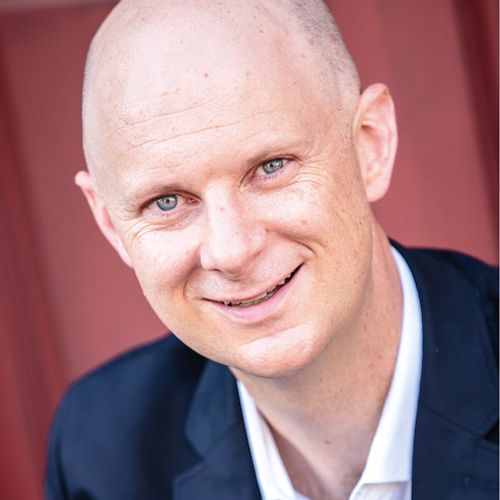
MORGXN, the Americana artist who just redefined what the Heartland means, joins Ben and Zach on Americana Curious for a conversation that you'll never forget.
Early in his career, he was told he’d never make it in Nashville as an openly gay artist. So he left.
But something pulled him back. Instead of abandoning the music… he decided to reclaim something bigger.
The Heartland.
Not as a place owned by a genre or a stereotype but as a place that BELONGS TO EVERYONE.
Along the way, he’s collaborated with Sara Bareilles and Walk the Moon, and even had a moment where Billie Eilish credited one of his songs as inspiration.
But the most powerful moment in our conversation was this: “The heartland is everybody — white, black, gay, straight… the heartland is everybody.”
And then he did something even more unexpected…
He bought a farm outside Nashville. discovered 760 pawpaw trees on land the previous owner said was “dead”, and started building a life rooted in music, food, and community.
It turns out the Heartland isn’t just a place. It’s a story we’re ALL STILL WRITING TOGETHER!
Ever been told you didn’t belong somewhere… and later realized you were meant to redefine it?
Transcript
The music industry told Morgan he didn't.
Speaker B:Belong in Nashville, so he decided to reclaim the heartland.
Speaker B:Along the way, he's collaborated with Sara.
Speaker A:Bareilles Walk the Moon, and his song.
Speaker B:Even inspired Billie Eilish.
Speaker C:I think that genre is like a sweater.
Speaker C:If the song and the core of the song is the heart of the message, the genre is like what sweater you're wearing on that given day.
Speaker C:I don't want to say the industry, but like, fuck the industry.
Speaker C:What the rules are for, how you're supposed to do something.
Speaker C:Something are literally designed to make you feel absolutely powerless.
Speaker C:And to me, creativity is like a burst of energy.
Speaker A:The heartland has inspired Americana music for generations.
Speaker A:When you say heartland, what place or.
Speaker B:Moment are you actually picturing?
Speaker C:The heartland is full of everyone.
Speaker C:The heartland is everybody.
Speaker C:White, black, gay, straight, big, small.
Speaker C:I really wanted to reclaim the word heartland for everybody.
Speaker C:The previous owner was like, there's nothing on the farm.
Speaker C:It's dead.
Speaker C:I saw a butterfly of the zebra, swallowtail.
Speaker C:It's only known to be around where pawpaw is.
Speaker C:We have 760 pawpaw trees.
Speaker C:Why fruity farm?
Speaker C:Well, we grow fruit and we're gay.
Speaker D:Explain that exactly to our listeners because that is gold, my friend.
Speaker B:This is the story of an artist breaking the rules and redefining what the heartland really means.
Speaker B:I'm Ben Fanning and my co host is Zach Schultz.
Speaker A:It's time to get Americana curious, raw, real road worn.
Speaker B:The artists we feature aren't chasing fame.
Speaker B:They're chasing truth.
Speaker B:I'm Ben Fanning with my co host Zach Schultz, and this is Americana Curious, where we spotlight the unsung heroes of Americana music.
Speaker B:You'll get new songs, hard earned lessons, stories behind the music, and a big shot of inspiration.
Speaker B:Follow the show and rate us on Spotify and Apple and leave a review on Apple to help more people discover the power of Americana.
Speaker B:Let's get Americana curious.
Speaker A:Hi, Morgan.
Speaker A:Welcome to the show.
Speaker A:Thanks for being here.
Speaker C:What's up?
Speaker C:Happy to be here.
Speaker A:Morgan, early in your career, you were.
Speaker B:Told that you didn't belong in Nashville.
Speaker A:As an openly gay artist.
Speaker B:When did you first hear that?
Speaker B:And how did it shape the music you're making today?
Speaker C:People are like, you'll never make it in music as an openly gay person in Nashville.
Speaker C:And I'm not one to hide, you know?
Speaker C:So like, so I go about my journey.
Speaker C:But it's interesting how I sang about home for so long and somehow it just kept pulling me back.
Speaker C:And now I'm here trying to actively reclaim this heartland that I love that.
Speaker C:I believe in that.
Speaker C:I think should be for everybody.
Speaker C:The heartland is full of everyone.
Speaker C:Like, the heartland is an actual rainbow cornucopia.
Speaker C:And I'm not saying rainbow in terms of pride.
Speaker C:I mean, like, the heartland is everybody white, black, gay, straight, big, small.
Speaker C:You know, it's full of humanity.
Speaker C:And so I really wanted to reclaim the word heartland for everybody.
Speaker E:Almost can't believe Believe that.
Speaker F:I fell in love In a small town those.
Speaker E:Eyes never see the sea.
Speaker C:Not all.
Speaker F:My dreams had just run out.
Speaker E:Then you ran right into me Straight from the heartland Safe for my heartland.
Speaker D:You were just telling us off mic what you think of genres.
Speaker D:I want you to explain that exactly to what our listeners, because that is gold, my friend.
Speaker C:I think the genre is like.
Speaker C:Is like a sweater.
Speaker C:It's like if the song and the core of the song is the heart of the message, and the genre is like, what sweater you're wearing on that given day.
Speaker C:And I feel like I always think of music inside out, never outside in.
Speaker C:And for me, what happens with music is what is coming up from inside and how it comes out that changes based on the mood of where I'm in.
Speaker C:And I feel like this most recent record that I made, it was the most stripped version of anything.
Speaker C:So you could call it whatever genre, genre you want.
Speaker C:It was just its most pure form of the thing that I was trying to make.
Speaker A:The Heartland has inspired Americana music for generations.
Speaker A:So folk, country, stories about small towns, which you write about here, belonging, all this stuff, you know, is inspired by heartland.
Speaker A:When you say heartland and you think.
Speaker B:About it, what place or moment are you actually picturing?
Speaker C:That's an amazing question.
Speaker C:The Heartland is the life that I'm living with my husband and I on this farm that we bought.
Speaker C:There are some days where I laugh at the reality of the thing that we're doing, which is we are farmers.
Speaker C:We are fruit farmers.
Speaker C:We have a farm.
Speaker C:Like, there's nothing more heartland than that.
Speaker C:And yet every day I'm.
Speaker C:I'm sort of, like, told, you don't belong here.
Speaker C:Whether it's by, like, the genre police of, you know, country or Americana, whatever it is, or also just, you know, legislation that keeps getting passed here in Tennessee that tries to be like, these people don't belong here.
Speaker C:When I wrote Heartland on the piano that I grew up on here in Nashville, you know, I remember feeling like this word is a word I never get to say because people tell me it doesn't belong to me.
Speaker C:And I'm saying that the heartland is a Richer, more beautiful place.
Speaker C:When you realize that we all belong in the heartland period.
Speaker A:Why did you select to grow fruit on the fruit farm?
Speaker A:Like, how does that represent heartland to you?
Speaker C:I think.
Speaker C:Well, I think one of the things about our farm that.
Speaker C:That blew me away.
Speaker C:That is so nerdy.
Speaker C:I'm gonna absolutely tell you this full story here right now.
Speaker C:When we saw the farm for the first time, the previous owner was like, there is no.
Speaker C:There's nothing on the farm.
Speaker C:It's dead.
Speaker C:It's, you know, like, there's nothing on the land.
Speaker C:It's.
Speaker C:It's dead.
Speaker C:Okay, it's us.
Speaker C:When we saw the farm, it was like, there's nothing on the land.
Speaker C:It's dead.
Speaker C:And I saw a butterfly, a beautiful black and white butterfly.
Speaker C:And I looked it up and it's called the Zebra Swallowtail.
Speaker C:People listening are going to be like, wow, he really knows about this farm right now.
Speaker C:But I looked up, I've seen this picture.
Speaker C:It only.
Speaker C:It's only known to be around where pawpaw is because it feeds on the leaves of pawpaw trees.
Speaker C:That's the only thing that this one butterfly does.
Speaker C:So me and my husband were like, there's gotta be pawpaw here.
Speaker C:We had just heard about pawpaw because Sean Brock, who is a James Beard winning chef, like king of the Appalachians, is obsessed with paw paw.
Speaker A:Sean.
Speaker A:Yes.
Speaker C:And we, you know, we were like, okay, there's gotta be pawpaw.
Speaker C:We.
Speaker C:We end up buying the property.
Speaker C:And then my husband, I. I want to say my husband and I, but really he is, he's the person doing this and I'm the one doing interviews, but he went and counted.
Speaker C:We have 760 pawpaw trees.
Speaker C:So, like, when you think about America and you.
Speaker C:And you know, it's very, it's very in to talk about America first, but the actual America first is not usually what people are referring to.
Speaker C:The actual America first is pawpaw, because that is the only native tropical fruit to this continent, you know, and we have 760 pawpaw trees on our farm.
Speaker C:And we're spending a lot of time trying to figure out what we can do with the pawpaw.
Speaker C:And, and I don't know, maybe we're going to become the new kings of pawpaw.
Speaker C:I am not sure that's tbd, but that, that was the start of the fruit, you know.
Speaker C:And then my husband, he's grown like lemon.
Speaker A:Are these native grown on your.
Speaker A:Were these native grown on your property, Morgan, or they just there when you showed up.
Speaker C:They're native grown, but we're doing like, we're, we're cultivating.
Speaker C:They grow in clone patches.
Speaker C:And I know I also did release an album and do know about music, but I also know about farming.
Speaker C:They grow in clone patches.
Speaker C:And we, we are spending time working with usda, working with like specialty crop growers to make sure that we have different varieties of pawpaws so that we can basically cross pollinate between the patches.
Speaker C:And that's what increase the, increases the fruit yield.
Speaker C:So another metaphor deeply inside of that experience is that the more variety you have of certain pawpaw varieties, the more abundance you have.
Speaker C:And to extend that metaphor to the heartland, the more different kinds of people you have in the heartland, the richer the heartland is.
Speaker C:You know, the, the age old joke, though, is, why fruity farm?
Speaker C:Well, we grow fruit and we're gay.
Speaker C:You know what I mean?
Speaker C:So it, it worked together beautifully.
Speaker C:And, and we're having a really wonderful time, like, exploring, like cold, hearty, kiwi, passion fruit, pawpaw, plum cut peaches, pears, cherries, strawberries, berries.
Speaker C:Like, we're doing so much fun, creative stuff in the heartland.
Speaker C:And again, we're just, we're just farmers.
Speaker C:Do you know what I mean?
Speaker C:It's just sometimes that meets with people who are like, you don't belong.
Speaker C:And, and I push back very hard because I can't be quiet.
Speaker A:Oh, man, what a story.
Speaker A:What a metaphor.
Speaker A:And you just seem like a lifelong explorer.
Speaker A:Right?
Speaker A:Okay.
Speaker A:Yeah.
Speaker A:Get into farming, get a farm, get into Paw Paw.
Speaker A:And great shout out to the great chef Sean Brock.
Speaker A:I live in Charleston and he was here and left a trail of great restaurants here.
Speaker C:We just did a collaboration with Joyland.
Speaker C:The Heartland Biscuit has been out this week and raising money for East Nashville Care Market, which they feed 20,000 meals to food insecure people every month and give out 5,000 hygiene products a month.
Speaker C:They're amazing.
Speaker C:And we released a collaboration, Peppers from our Farm, Smoked Bologna from Gifford's Giffords here in town.
Speaker C:And Gifford actually started with Sean back at Husk.
Speaker C:So it's, it's like a long line.
Speaker C:And then Davis from Joyland has been with Sean also since Husk.
Speaker C:So it's like, it's a beautiful food collaboration, but also I think that food and music have a lot of similarity to it.
Speaker C:And I, and I was talking to a friend about this last night because music, there's, you know, there's a lot of instruments, but like, let's just say you've got guitar, bass, Drums, keys, banjo.
Speaker C:Okay.
Speaker C:And voice.
Speaker C:Okay.
Speaker C:Those are the same ingredients across all sorts of songs.
Speaker C:But what makes every song different is like, is how you combine them and how you let them simmer together.
Speaker C:And I often think of mixing, like cooking a great dish.
Speaker C:It's like the ingredients are there, but how much salt and, you know, do you take away, you know, something and reveal a new flavor?
Speaker C:Do you know what I mean?
Speaker C:So I think music and food have a beautiful synergy that I honestly hope to explore forever with our farm.
Speaker A:To use a food word.
Speaker A:What a milieu, my friend, of music and food.
Speaker A:And, you know, the great chefs like Sean Brock are artists.
Speaker C:Yeah.
Speaker A:And certainly, I mean, I want to drive up from now.
Speaker A:I want to drive to Nashville right now and go check out Yalls Biscuit collaboration.
Speaker C:Thanks.
Speaker C:I hope we're doing it for a week to raise money, but you know, I'm talking about so many different fun collaborations for the future of Fruity Farm that, that connect music, farming and, you know, community.
Speaker C:Because that's the other thing that I'm like, I appreciate you calling me a lifelong explorer because I literally feel like Jack Kerouac all the time.
Speaker C:Like, I am absolutely like a.
Speaker C:What kind of madness can I, you know, explore today in every aspect of life?
Speaker C:But there's so much about life that feels hard for so many people at all times these days, you know, and neighbourism is this term that I keep coming back to that like, we have to care about our community around us, you know, and neighbourism is something that I've just recently discovered.
Speaker C:There's an amazing article in the Atlantic about it.
Speaker C:Adam Serwer was speaking about it.
Speaker C:But there's this idea that, like, we must care for the people around us.
Speaker C:That's not new.
Speaker C:But like, I asked myself this, like, growing up, I knew what all of my neighbors houses looked like on the inside.
Speaker C:But like, could you say that about today?
Speaker C:You know, like, we are so divided.
Speaker C:And I'm not even talking political.
Speaker C:Like, I'm not talking left, right.
Speaker C:I'm talking about the.
Speaker C:The ability for us to be connected to our phone before we're connected to our literal neighbor is.
Speaker C:Is.
Speaker C:Is absolutely wild.
Speaker C:So I don't know that I've powerful element.
Speaker C:I don't know that I've achieved world peace within one album.
Speaker C:But I'm.
Speaker C:But I'm just trying to chip away at the idea that we're way more connected than we are divided.
Speaker A:For the listeners, y' all are not going to find many more artists in the Americana world that collaborate more Effectively than you, Morgan.
Speaker A:I mean, Morgan Sara Bareilles, walk the moon, right?
Speaker A:Two really iconic collaborations you had.
Speaker A:And this y' all new album, Langhorne Slim, Katie, Maggie Rose.
Speaker A:Are you kidding me?
Speaker A:And these are all.
Speaker A:I mean, you were driving this.
Speaker A:Where did this Sara Bareilles tune that kind of help you break into a higher echelon of people knowing you.
Speaker A:Where did that come from?
Speaker A:And what was that like?
Speaker C:That is everything is a dream come true when I think about, like, the ability to collaborate with somebody like Sara Bareilles.
Speaker C:Because that song, you know, I have to go back to the writing of it.
Speaker C:I wrote it on 11 11, you know, which is like a magical number to me.
Speaker C:And I was like, this song, you know, is.
Speaker C:Is.
Speaker C:Is so vital to my existence.
Speaker C: And that was: Speaker C:1111.
Speaker C: So by the start of: Speaker C:And in fact, I was dropped from my then label the same day that Billie Eilish tweeted about how my song Home inspired her song Bad Guy.
Speaker C:And so my Internet was blowing up.
Speaker C:But I was also like, I don't know what to do with music and I don't know if I'll ever, like, I wonder if anyone will hear this and if I'll go broke, like, all the things that are inside of that song.
Speaker C:And it was seeing Sara Bareilles in concert and I have friends in her band and we were talking and like, I had emailed Sara Bareilles a decade ago after she had released Love Song, being like, I love your music and thank you.
Speaker C:And to my surprise, thank you.
Speaker C:You know What?
Speaker C:That was 12 years at that point.
Speaker C:I have no idea now how long that's been, but that she replied with this beautiful, like, act of like, you know, keep going.
Speaker C:And I try to do that all the time when I get genuine messages from people asking, you know, not like, you know, they're crazy messages I get, but also I get really genuine ones that I, I really reply to because Sarah replied to me so many years ago.
Speaker C:Um, but she really resonated with the line, I wonder if anyone will hear this.
Speaker C:Which is like, sounds crazy because you're like, you're absolutely a superstar.
Speaker C:But I think as an artist and in these days of, of clicks and algorithms and all this stuff, you know, it.
Speaker C:It is harder than ever to feel like your music and your art is like moving people and, and reaching people, you know, and it was as simple as her loving that line and, and then her being like, I'D love to do a version of this with you.
Speaker C:And, you know, I was like.
Speaker C:I had asked her, like, would you do this?
Speaker C:And she was like, I would.
Speaker C:But that was, like, in passing, and who knows?
Speaker C:And then months later, I get an email, and it's like, the.
Speaker C:Literally, the subject line is, don't you.
Speaker C:And then the body of the email says, forget about me.
Speaker C:And it's like, would you, like.
Speaker C:Would you want to do that duet?
Speaker C:And I was like, I'm.
Speaker C:I'm screaming, you know, And I can say that email because I posted it.
Speaker C:I posted it online with her permission, because it's just like, it's a perfect moment of how, you know, that one was also like, I recorded that on this mic, this very small focus.
Speaker C:Right.
Speaker C:You know, the interface is not.
Speaker C:No professional engineer thinks that I'm redefining music here.
Speaker C:She sent me her vocals on GarageBand.
Speaker C:I mixed them together sitting on my bed.
Speaker C:You know, that was a huge thing that happened with the least.
Speaker A:Sarah Bareilles recorded it.
Speaker A:I want Sarah bareilles recorded on GarageBand and sent it to you, and you mixed it.
Speaker C:Yeah.
Speaker A:And it.
Speaker A:I love it, Joel.
Speaker A:That's Americana, and I know the genre.
Speaker A:Okay.
Speaker A:I'm defining.
Speaker A:But that collaboration, what.
Speaker A:What do you believe about the universe that you would keep going and keep doing this, even though you're seeming like you're breaking rules about getting in touch with celebrities, giving them your music, mixing it, sort of like on the fly.
Speaker C:Yeah.
Speaker C:There's a few things.
Speaker C:There's a few things I believe.
Speaker C:One is, like.
Speaker C:One goes back to something somebody told me in, like, standing in an ocean randomly one Evening, probably at 2:00am, they were like, you'll sing the songs you're meant to sing.
Speaker C:And I.
Speaker C:And I always go back to that idea because.
Speaker C:Because I think you will sing the songs you're meant to sing.
Speaker C:And also I. I believe that I will be in the rooms I meant to be in at the right time.
Speaker C:Like, I can't.
Speaker C:You know, I have wanted my life to.
Speaker C:To be quicker.
Speaker C:Like, wanted to achieve things more quickly than they have.
Speaker C:But, like.
Speaker C:But also the songs that come out of my life make it out alive.
Speaker F:We'll make it out it.
Speaker E:We'll make.
Speaker F:It out all right.
Speaker E:I told myself I know.
Speaker F:My hands.
Speaker E:Were tight and all of my heart ache so one more to make me feel like I could be the best or some version of God I don't care if it's not real I'll take my chances to heal if we can.
Speaker F:Make it out of life if we can make it through the night.
Speaker C:Going further back, Carry the weight, wonder, burden.
Speaker C:You know, there are songs that have colored my life that I feel lucky to.
Speaker C:To be present enough that they come through when I am, when I sit down to write that something like comes through.
Speaker C:None of those songs would be born out of, I think, a certain kind of ease, I guess.
Speaker C:You know, like, I don't know what I feel about how artists, how we're struggling so much.
Speaker C:I don't want that for artists.
Speaker C:I don't want artists to feel like they're never going to be heard, and I don't want artists to feel like they're never going to have support because that thing breaks my heart.
Speaker C:That is a industry wide epidemic of artists feeling like they don't have support.
Speaker C:That's separate, I think a separate thought that I'm having.
Speaker C:But I think that, like, I don't have rules to how I create.
Speaker C:And this goes way back to my first album, Carry the Weight, that song and even Heartland.
Speaker C:I've actually never said this on the podcast, but that the piano in Heartland is a voice memo.
Speaker C:Like, that is my.
Speaker C:That is my phone sitting on my piano recording the voice memo.
Speaker C:And then I.
Speaker C:And then I tempo matched it with Jesse Brock, who produced it and, you know, and recorded voices and added onto it.
Speaker C:But the base of it is me in a voice memo, you know, like, that is.
Speaker C:No professional engineer would be applauding how I do certain things, but I do it in whatever way I can to try to get the idea down in the moment.
Speaker C:I don't want to say fuck the industry, but like, fuck the industry, you know, because it's just like what the rules are for.
Speaker C:How you're supposed to do something are literally designed to make you feel absolutely powerless.
Speaker C:And to me, creativity is like a burst of energy.
Speaker F:This is my survival I don't plan on stopping My spirit's never dropping this is my revival this is my revival Revival, revival this is my revival Revival, revival.
Speaker C:And I didn't feel done with my revival.
Speaker C:And I'm so glad that Maggie also felt like that song spoke to her in this moment because I think that this Nashville version, you know, that anchors, you know, how I released Heartland, the deluxe.
Speaker A:Strong.
Speaker C:I'm glad that I went on the journey, even though people along the way were like, the song's done.
Speaker C:It's already been on Kelly Clarkson show.
Speaker C:You're crazy.
Speaker C:But that's not how I think about.
Speaker A:Take that, Kelly.
Speaker A:Yeah, we got Maggie coming at you.
Speaker C:Yeah.
Speaker A:Too.
Speaker A:By the Way, those are two powerhouse singers and their own.
Speaker A:Right.
Speaker A:How about the strings version?
Speaker C:Yeah.
Speaker C:I mean, also that, like that collaboration born out of out of Nashville musicians who I think are absolutely wonderful, you know, and that is the thing that, I don't know.
Speaker C:I get how, I get how the industry wants you to know who you are and, and then never change because they need you to stay in a box.
Speaker C:But, like, that is so the opposite of what creativity is, you know, I think, I think songs that are good should have a million different lives, and you should explore them, you know, forever, you know, going to the writing of it.
Speaker C:Bruce Springsteen said something in an interview one time.
Speaker C:He was like, find what.
Speaker C:You find what you write about and then write about it until you die.
Speaker C:And I think that that is like, very much how I think about music.
Speaker C:I am, I, I have no answers.
Speaker C:I'm just chipping away at feeling, you know, but then, but then, like a record, if a record is a snapshot, you know, who I am when my revival first came out is not who I am now.
Speaker C:And it's like I'm also exploring who I am through.
Speaker C:I'm literally realizing this in the moment.
Speaker C:I'm, I'm exploring who I am through different versions of my songs throughout time.
Speaker C:You know, it's really like, I'm really trying to make.
Speaker A:It's hard to write about stuff.
Speaker A:I mean, it's hard to write about stuff that you haven't experienced firsthand.
Speaker A:Although you mentioned Bruce Springsteen, he seems to be able to do it just fine.
Speaker A:But you're.
Speaker A:Yeah, your songs are so darn personal.
Speaker A:And I, you have such a knack, and I think the listeners, if you ever heard Morgan, you're going to hear them here.
Speaker A:But you, your songs, even though they're, they're serious topics, they feel really good and, and just like you're jamming down the road with the windows down.
Speaker A:Are you intentionally.
Speaker C:I, I think, like, doing this stuff.
Speaker C:I think about the Beatles and I, And I literally think, take a sad song and make it better.
Speaker C:You know, Like, I, I, I live by that idea that it's not false positivity, because I don't, I don't believe in that and I don't subscribe to it, but I believe that.
Speaker C:I believe that you can take heartache and make something of it that makes people feel less alone.
Speaker C:And that's the, that's the journey I want for a song.
Speaker C:You know, I'm, I'm wearing my favorite Carole King here because Tapestry, her album, very much inspired Heartland because To me, the heartland is a tapestry.
Speaker E:Yeah.
Speaker C:Do you know what I mean?
Speaker C:And I've done some shows with orchestras with this full album tapestry, and I. I absolutely love that an album is more like a quilt than it is.
Speaker C:Just like, here's one song that's done well on streaming, and then here's 12 other songs that sound exactly the same.
Speaker C:Do you know what I mean?
Speaker C:Like, both the heartland music playing to the algorithm, you know, it's a quilt.
Speaker C:Life is a quilt and a.
Speaker C:And a beautiful patchwork.
Speaker C:And that's what I hope.
Speaker C:That's what I hope to capture within the music that I'm making.
Speaker C:And that's why I love Americana.
Speaker C:Like, that's why I love the word Americana, folk, country, whatever genre you want to throw on top of me.
Speaker C:I think I come back to Americana because Americana feels to me like it is the patchwork quilt of our time.
Speaker C:And that is music that I'm trying to make.
Speaker A:So we're gonna start to line the plane here, but a lot our listeners like to hear about what to expect when they come see you live.
Speaker A:What would you like people to start doing when they come see you?
Speaker A:And what's one thing maybe you would like them to stop doing when they come see you?
Speaker C:I. I would.
Speaker C:I'll start with the stuff.
Speaker C:I would love people to not film as much because, like, I think the experience in the moment is the moment that.
Speaker C:That, you know, you'll forget what people do, but you'll never forget how they make that you feel, you know?
Speaker C:And it's like, I want people to put their phone down and.
Speaker C:And not think about what is pulling them out of the room and what is going on outside the room, like, what we're co creating there.
Speaker C:And I would honestly love.
Speaker C:Not even just for me, I would love for more people to be going to shows, period.
Speaker C:Not just saying, come to my shows, but, like, I think that as we get further and further into what technology can do for us, we have to remember that what makes us stronger is the rooms that we inhabit together.
Speaker C:And I think music is the backbone of culture.
Speaker C:And I want people to remember that going to a show can enrich their lives in a beautiful way.
Speaker C:Not just saying, my show, like any show, find a local show that's happening and go to it and like.
Speaker C:And be moved by something that surprises you.
Speaker A:Hmm.
Speaker A:Love that.
Speaker A:What should people expect when they come see you?
Speaker C:They should expect to feel less alone.
Speaker C:They should feel like they have met a friend that is putting words to some of the things that are already in their heart.
Speaker C:Um, and they should expect to feel seen.
Speaker C:That's what they should expect.
Speaker A:Well, y', all, if you don't listen to Morgan, you're crazy, because, you know, you want to listen to this, and also, you want to go see him do his thing on stage.
Speaker A:He's been on some of the biggest ones in the world, including Lollapalooza.
Speaker A:Was there a story there before we get off at Lollapalooza?
Speaker C:Lollapalooza was the first time where Nick from Walk the Moon came and sang home with me.
Speaker C:And we.
Speaker C:We didn't even plan this, but we both showed up wearing all white, and it was just like.
Speaker C:It was a little bit like, wow, this is a little culty, but, like, also kind of perfect.
Speaker C:And that was the moment that we were like, we should record this version.
Speaker C:I love festivals because.
Speaker C:And I.
Speaker C:And I hope that Americana, like my one ask to the Americana community is like, let me play your festivals.
Speaker C:Stop keeping me as an outsider.
Speaker C:But, like, I love festivals because it breathes collaboration.
Speaker C:I would love to.
Speaker C:It breathes collaboration, and I think that's, like, the beautiful thing about festivals, so.
Speaker C:So please, that.
Speaker C:I guess that is my ask to the universe.
Speaker C:Let me into your party so that I may increase the.
Speaker C:The love meter of your party.
Speaker A:Sounds like a great place to be.
Speaker A:I'm a friend.
Speaker A:Derek Coburn told me about the word called collective effervescence, which you may be familiar with this word, but it's when people come together and have that connectivity.
Speaker A:But experiencing great music together, where you're fully present somehow has, like, a compounding effect.
Speaker C:Amen.
Speaker C:I love that I.
Speaker C:Absolutely.
Speaker C:That's new to me, but I love it.
Speaker C:Thank you, Morgan.
Speaker A:Thank you for joining us on Americana Curious.
Speaker C:Thank you for having me.
Speaker B:Thanks for joining Zach and I for this episode of Americana Curious.
Speaker B:Subscribe where you listen to your podcast so you are notified when a new episode is released.
Speaker B:I'm Ben Fanning, and it's been great sharing these artists and music with you.
Speaker B:Until next time, stay Americana Curious.