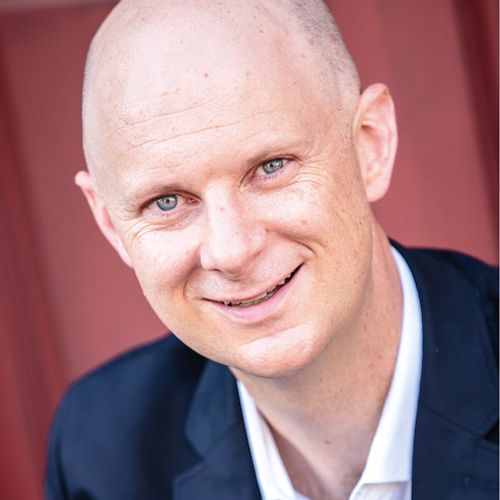
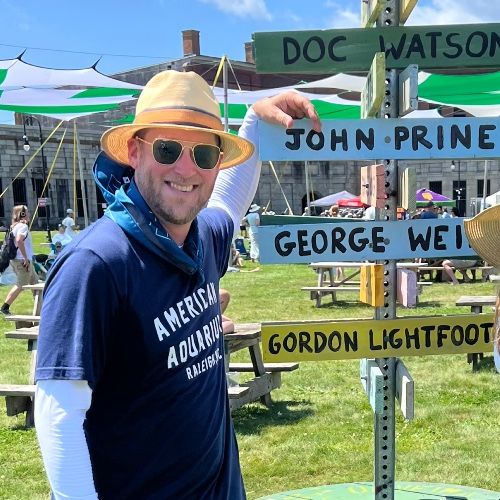
Mason Jennings: Turning Down Rick Rubin, Battling Agoraphobia, and Chasing Truth Over Fame
What happens when a musician completely rejects the corporate machine?
In this episode of Americana Curious, Ben Fanning and Zach Schultz sit down with singer-songwriter Mason Jennings to discuss his incredible 30-year independent career.
Mason opens up about why he walked away from major label record deals, what it was really like working with (and turning down) Rick Rubin, his fun connection to Prince, and his internal battle with crippling agoraphobia and panic attacks on tour.
Whether you are an independent musician navigating the modern landscape of Soundcloud and AI or a fan of real, raw, road-worn music, this conversation explores what it truly means to protect your creative spirit at all costs.
💡 STUFF WE TALKED ABOUT IN THIS EPISODE:
• Turning down a million-dollar major label deal
• The truth about working with Rick Rubin (and the pitch-black Warner Bros meeting)
• How EMDR therapy helped Mason overcome agoraphobia
• The night Prince played air guitar to his songs at First Avenue
• How AI, Soundcloud, and streaming are shifting the value of music
• The stories behind "Rebecca Deville" and his new album Dark Wings
Chapters:
00:00 – Why Mason Jennings turned down Rick Rubin
02:15 – The wild night Rick Rubin turned off the lights at Warner Bros
04:30 – Surviving crippling agoraphobia and panic attacks on tour
07:10 – The secret story behind "Rebecca Deville"
09:45 – When Prince watched Mason from the box seats
11:50 – How AI and Soundcloud are shifting the future of the music industry
-----
As a gift to listeners, Zach has curated 7 MUST LISTEN Mason Jennings songs here.
-----
Ben Fanning and Zach Schultz host Americana Curious, a podcast spotlighting the unsung heroes of Americana music. This show features deep-dive music interviews with legendary independent artists, uncovering the hard-earned lessons, songwriting secrets, and real-world struggles behind your favorite acoustic, folk, and rock-infused songs
👉 SUPPORT THE SHOW: Follow the show and rate us on Spotify and Apple Podcasts, and leave a review on Apple to help more people discover the power of Americana #AmericanaMusic
#MasonJennings #RickRubin #Songwriting #IndependentArtist #MusicPodcast #AmericanaCurious #Prince
Transcript
Earrings in my pocket Till I see you again.
Speaker A:Clouds roll by Laying up on the hill Everything is still do you think we will if we do There'll be no turning back if we don't play there's no chance of that hey, hey, little fighter girl it's you and me up against this whole wide world Sleeping together in the lines Then you got your earrings in my pocket Till I see you again yeah, yeah, yeah, yeah, yeah, yeah, yeah oh, yeah yeah, yeah, yeah, yeah, yeah, yeah, yeah oh, yeah Come on kissing me Keep on kissing me Come on kissing me Keep on.
Speaker B:Kissing me what happens when an artist chooses authenticity over fame?
Speaker B:Mason Jennings walked away from major label deals, turned down Rick Rubin, battled crippling anxiety while touring and still became one of the most beloved voices in Americana music.
Speaker C:The thing about Rick is he doesn't believe in time at all.
Speaker C:My friend said, hey, Prince was here.
Speaker C:He was up in the box playing air guitar to your songs.
Speaker B:For nearly 30 years, Mason has built a career completely on his own terms, inspiring generations of songwriters, collaborating with artists like Jack Johnson, and creating songs that fans have literally tattooed on their bodies.
Speaker B:Underneath the music was a deeper struggle with fear, spirituality, and trying to stay connected to what he calls the created spirit.
Speaker C:I just trust the creative spirit.
Speaker C:If I start to lose any connection with that, I just don't feel safe.
Speaker B:In this episode, Mason opens up about spirituality, panic attacks, songwriting, healing through music, and why his new album Dark Wings, might be the most vulnerable record he's ever made.
Speaker C:There's a moment where I was like, I don't know if I can even do this anymore.
Speaker C:It's good to be back doing it.
Speaker B:We get into the stories behind the songs, the healing power of music, and how Mason Jennings has stayed creatively fearless for nearly 30 years.
Speaker B:I'm Ben Fanning and my co host is Zach Schultz.
Speaker D:It's time to get Americana curious raw, real road worn.
Speaker B:The artists we feature aren't chasing fame, they're chasing truth.
Speaker B:I'm Ben Fanning with my co host Zach Schultz and this is Americana Curious, where we spotlight the unsung heroes of Americana music.
Speaker B:You'll get new songs, hard earned lessons, stories behind the music, and a big shot of inspiration.
Speaker B:Follow the show and rate us on Spotify and Apple and leave a review on Apple to help more people discover the power of Americana.
Speaker B:Let's get Americana curious.
Speaker B:Mason Jennings.
Speaker D:Welcome to Americana Curious, my friend.
Speaker C:Thank you.
Speaker C:Thanks for having me on.
Speaker D:Early in your career when most artists are trying to get noticed, you were actually being offered, as I understand it some major label deals, including what it's rumored to be a $1 million price tag, and even being contacted by Rick Rubin's crew.
Speaker D:And you made a decision that a lot of artists might not make.
Speaker D:Take us back.
Speaker D:What was it like deciding whether to sign and what was being said?
Speaker D:And how are you feeling in the moment?
Speaker C:Well, I guess there are a few steps to that whole thing.
Speaker C:Early in my career, I got offered some label deals.
Speaker C:It wasn't quite a million, but I was in a band and I was singing way more.
Speaker C:It was more rock, you know, I was definitely singing more aggressively.
Speaker C:So the demo tape, I was, you know, I was really belting, and they wanted to sign that version of me, and I was probably 20 years old, and I thought, you know, I, I'm not that.
Speaker C:I don't want to be singing like that for the next 15 years, you know, like, I'm more of a mellow person, and I like the more of a folk style.
Speaker C:So I, I, I, I sent them a different demo that was more like my first record, and they were like, no, we, we're going to pass on that, you know, because they were looking more for, like, you know, more like a Pearl Jam sound, I guess.
Speaker C:And so I kind of waited a few years, and I was doing independent stuff.
Speaker C:And then Rick Rubin came along, I guess, after Use your voice.
Speaker C:So that was a little later.
Speaker C:He came along and wanted to sign me to American.
Speaker C:And, you know, it was cool.
Speaker C:I mean, I went out there, I was.
Speaker C:That was the one guy I would sign with, you know, because I love Johnny Cash.
Speaker C:And so I flew out to la and he was, you know, playing me these.
Speaker C:It was right after Johnny died, and he was like, I'm so bummed that Johnny died because I wanted him to sing your song, Adrian.
Speaker C:But then he passed away, and I was like, oh, man.
Speaker C:And I was kind of like, oh,.
Speaker E:My gosh, that would have been great.
Speaker C:At the end of his life.
Speaker C:So I just kind of didn't know what to do with that.
Speaker C:But he's like, he's like.
Speaker C:Rick's like, I love you.
Speaker C:I want to do all your records.
Speaker C:I want you to be on American for the rest of your life.
Speaker C:So I was like, well, okay, let's do it.
Speaker C:But the thing about Rick is he doesn't believe in time at all.
Speaker C:He's just like, I'll listen to your songs when I, When I want it, when the spirit moves me.
Speaker C:Which is fine.
Speaker C:But I was like, I was a new dad at the time.
Speaker C:I was touring and we did that for about a year, where I'd send him a song, and he would, like, not listen to it for, like, six weeks.
Speaker C:And I'd be, like, sitting there going.
Speaker C:He'd be like, change the chorus a little bit or do something.
Speaker C:And I'd be like, okay, I'd change it in a week.
Speaker C:I sent it to him.
Speaker C:I was like, call and be like, have you listened to the song?
Speaker C:It's three minutes long.
Speaker C:And he'd be like, time doesn't exist.
Speaker C:I'll just do it when I listen to it.
Speaker C:And then I started hearing all these stories from people, like, listen to Williams, where her record Car Wheels on a Gravel Road just, like, sat there for six years, you know?
Speaker C:And I thought, I can't just sit here for six years.
Speaker A:Looking down from the apple tree, my hands tied in back of me with this rope below my chin.
Speaker A:We don't fear death, my Adrian.
Speaker C:And in the meantime, Isaac Brock from Modest Mouse, right when they had that float on.
Speaker C:So he called me and said, will you come out on the road with Modest Mouse?
Speaker C:So I went on the road with Modest Mouse, and.
Speaker C:And he loved the music and.
Speaker C:And wanted to get me this deal with his imprint label, Glacial Pace.
Speaker C:And he offered me a bunch of money, took me to.
Speaker C:To New York City, and I met all the people from Sony, and.
Speaker C:And I just thought, you know, hey, Rick, like, does time exist yet?
Speaker C:And he's like, no, I'm still just kind of waiting to hear the song.
Speaker C:And I was like, well, maybe if Time doesn't exist, I'll work with you, like, when I'm 80 or something.
Speaker C:And for right now, I'm going to go, yes.
Speaker C:So I went with Glacial Pace instead.
Speaker C:So it was some hard decisions.
Speaker C:You know, I would have loved to work with Rick more.
Speaker C:I mean, the year we worked together was.
Speaker C:Was artistically interesting, but I was feeling so frustrated by.
Speaker E:Yeah, you know, I like to see that.
Speaker E:Yeah, you can see Rick in that Avett Brothers documentary.
Speaker E:Oh, he's a little bit laid.
Speaker D:Was Rick wearing a shirt when you were talking to him?
Speaker E:You know what?
Speaker C:He was never wearing shoes.
Speaker C:And.
Speaker C:And I remember he took me.
Speaker C:So after I said no to him, he.
Speaker C:He said.
Speaker C:He goes, owie, owie, owie, owie, owie.
Speaker C:I was like, what the hell?
Speaker C:And then he took me.
Speaker C:He's like, come out here to LA tomorrow and I'll meet.
Speaker C:We'll meet with the president of Warner Brothers.
Speaker C:And I was like, well, sure, okay.
Speaker C:I want to meet the president of Warner Brothers.
Speaker C:So we flew out to Warner Brothers and went to meet the president, but the president wasn't there yet.
Speaker C:And we walked in, Rick and I walked in, and Rick's like, I don't like the lights on.
Speaker C:So we shut all the lights off in the president's office.
Speaker C:So the president comes in, he's like, what's going on?
Speaker C:It's dark in here.
Speaker C:I can't see.
Speaker C:And Rick's like, I prefer it like this.
Speaker C:And the guy's like, okay.
Speaker C:So I met with the president of Warner Bros. And I don't even know what he looks like.
Speaker C:I mean, it was pitch black in this room, and we're sitting, I could just see the dim light from the bottom of the window.
Speaker C:Like, that was the kind of vibe.
Speaker C:And I'm like, you know what?
Speaker C:I like that in some ways.
Speaker C:I like it in most ways.
Speaker C:It's hard to deal with.
Speaker D:Yes.
Speaker E:Sounds like that's the version of me, you.
Speaker E:And I love you.
Speaker E:And Buddha, too.
Speaker E:And Mr. Buddha.
Speaker E:Rick.
Speaker E:Rick Ruben.
Speaker C:I know, right?
Speaker E:It's not about him, is it?
Speaker E:No, no.
Speaker C:I mean, yeah.
Speaker C:No.
Speaker C:But, yeah.
Speaker D:Did you.
Speaker D:What was your north.
Speaker D:What was your north star or your compass in that because you were so young?
Speaker D:Yeah.
Speaker D:And it's like there was this dream, I mean, that musicians have, and what you're describing sounds like a movie, like, dream.
Speaker C:Oh, yeah, it was.
Speaker C:What was my.
Speaker D:What were you reading?
Speaker D:Was it like a little angel in your ear pointing you in the right direction?
Speaker C:Like, you know what it was?
Speaker C:I think.
Speaker C:I think for me, since I was little, I grew up in a really rough kind of household where it just wasn't stable.
Speaker C:And I really turned to the creative spirit really early on.
Speaker C:So I always been interacting with this.
Speaker C:This infinite source of creativity that I, you know, I just trust it.
Speaker C:And to me, if I start to lose any connection with that, I just don't feel.
Speaker C:I guess I don't feel safe or, like, healthy.
Speaker C:So with that stuff with Rick, when it was getting interrupted so bad and I couldn't just flow with my.
Speaker C:I just like to interact with the creative spirit every day and.
Speaker A:And.
Speaker C:And.
Speaker C:And make songs and make art.
Speaker C:And so when he was like, you had to wait six months to finish this song.
Speaker C:After a year of that, I was like, this is really interrupting my.
Speaker C:Basically, it's my spirituality, you know?
Speaker C:So that was the thing.
Speaker C:I just go, I need to be in situations where I guess I felt like it was a little more respectful to me as a person, where somebody would just be like, hey, I'll get back to you.
Speaker C:Within the end of the week or I'll get.
Speaker C:But, you know, like just some sort of timeline so I can continue to work and.
Speaker C:And interact with my spirituality.
Speaker C:So I think that kept me through it.
Speaker C:I mean, it was really challenging because turning down deals like that, I.
Speaker C:You know, often.
Speaker C:Because also, when I first met Rick, the thing that was crazy is I remember I was sitting in a hotel room I was kind of praying about.
Speaker C:I was like, you know, I love Johnny Cash so much.
Speaker C:I love these American recordings.
Speaker C:Use your voice.
Speaker C:I like.
Speaker C:I like the record a lot, but it.
Speaker C:I. I could really use a helpful producer, you know, that could understand the next level of Sonics.
Speaker C:And so I just kind of prayed.
Speaker C:I'd love to work with Rick Rubin.
Speaker C:And then the next day, my manager called me and said, rick Rubin just called you?
Speaker C:And I go, what the.
Speaker C:Like, what?
Speaker C:And.
Speaker C:And then I went out there and I brought 1.1cd for some reason of Nina Simone to play for him that I like this.
Speaker C:This one song of hers.
Speaker C:And I got in the car, he had a car pick me up, and on the radio, that song came on the radio on the way to his house.
Speaker C:And I'm like, this is spiritually stop, you know?
Speaker C:Cause I was like, when do you hear Nina Simone on the radio?
Speaker C:Number one.
Speaker C:It was like a live weird version of this Is Very Strange.
Speaker C:So I drove up to his house, and I'm thinking, this is ordained, you know, in the stars.
Speaker C:So then to say no to it.
Speaker C:Yeah, it really shook my foundation.
Speaker E:Yeah, that's.
Speaker E:That's why.
Speaker D:Right.
Speaker C:And then it turned into.
Speaker D:Do you remember what the Nina Simone song was?
Speaker D:You said it was a live version.
Speaker C:It was on.
Speaker C:It was from Liver Ronnie Scott's.
Speaker C:It was like.
Speaker C:I can't remember at the top of my head.
Speaker C:It was a slow.
Speaker C:It's been 20 years now.
Speaker C:22 Years.
Speaker C:It was a.
Speaker C:What was it?
Speaker C:I can't remember.
Speaker C:If I.
Speaker C:If I think of it, I'll.
Speaker C:I'll bring it up.
Speaker C:She.
Speaker D:She has a real spiritual, just vibe about her music anyway.
Speaker C:Oh, yeah.
Speaker D:I mean.
Speaker D:I mean, what a story.
Speaker E:Well, I gotta say, Mason, we haven't met until today, but I've been along on this ride with you, and you didn't even know, and you didn't even know it.
Speaker E:I was.
Speaker D:I've heard many stories from Zach on this.
Speaker E:I go Back to the 400 days.
Speaker C:Oh, wow.
Speaker E:Cool and soiled Dove in Denver.
Speaker E:And I was at Sorry Signs for Cash Machines.
Speaker E:The Music video at First Ave in 20.
Speaker E: In: Speaker E:We played it twice.
Speaker E:Yeah.
Speaker E:Yes, we sang it twice.
Speaker E:The whole crowd sang it twice, by the way.
Speaker D:Cool.
Speaker E:So I just gotta say I've been wanting to ask this question for 25 years, since I saw you first time.
Speaker E:Soil Dove.
Speaker E:You have a song called Rebecca Deville.
Speaker C:Yeah.
Speaker E:You come out, you sing it.
Speaker E:The whole crowd is enamored in a pin.
Speaker E:I mean, you could hear a pin drop.
Speaker E:Sing this song.
Speaker E:Do you get that emotion every time out of that song?
Speaker E:And where did that song come from?
Speaker A:Well, I fell in love somewhere near Illinois she said she loved me Right.
Speaker A:Anybody?
Speaker A:Has anybody seen my little girl around?
Speaker A:I last saw her in New Orleans I can't find her now.
Speaker A:I stepped into the nearest Twilight bar to ask if anyone knew you.
Speaker C:Yeah, I get the emotion every time.
Speaker C:I think for me, it was.
Speaker C:I was pretty young.
Speaker C:I was.
Speaker C:I think I was 19 when I wrote it.
Speaker C:I wrote it when I first moved to Minnesota and I had a dream I woke up from.
Speaker C:It was just a very intense dream where I was.
Speaker C:It felt like one of those dreams where it felt like I was in it for years and that I was with this woman and it was like this.
Speaker C:I felt like a soulmate situation.
Speaker C:And then.
Speaker C:And then it wasn't.
Speaker C:She didn't die in the dream.
Speaker C:It was more like when I woke up, I'd never get to see this person again.
Speaker C:And so I just sort of wrote from that feeling.
Speaker C:Feeling of like, that's so crazy.
Speaker C:This.
Speaker C:This person was taken from me.
Speaker C:I mean, so much of my life is.
Speaker C:I feel like I live in a.
Speaker C:In a world between the invisible and the visible worlds.
Speaker C:Just my music is in general, like, walking the line.
Speaker C:So that was.
Speaker C:I was like, this real world exists.
Speaker C:And you know what?
Speaker C:How do you make sense of that?
Speaker C:It was.
Speaker C:It was a song sort of working on that idea or feeling, I guess.
Speaker E:Yeah.
Speaker C:But, yeah, I don't play it that much because it's so intense, you know?
Speaker E:Oh, yeah.
Speaker E:And you.
Speaker E:You can.
Speaker E:Even in your live first Ave. Recording that you can get on Spotify and whatnot.
Speaker E:I was at that show.
Speaker E:I mean, you can hear it in that.
Speaker E:In that recording.
Speaker E:The crowd.
Speaker E:There's no crowd.
Speaker E:It doesn't seem like it's live.
Speaker C:Right.
Speaker C:With a giant.
Speaker C:And first AV is hard to get to do that.
Speaker E:Yes.
Speaker E:Well, let's dive into first AV because you're.
Speaker E:You moved here to Mint from Minnesota and did you fit right in?
Speaker E:I mean, we have a great tradition of music up here.
Speaker E:Did you feel like an outsider when you came up here or did you kind of fit right in.
Speaker C:I felt like so into.
Speaker C:I really loved it.
Speaker C:I mean, I love the Replacements and Prince.
Speaker C:I love the Jayhawks.
Speaker C:I just was so into everyone.
Speaker D:Yes.
Speaker C:You know, so immediately I was just.
Speaker C:I would just go to bars and I remember just sitting beside Gary Lewis at a bar one day.
Speaker C:I watched Paul Westerberg from the Replacements go buy me on a bike one time.
Speaker C:And I was like, this is incredible.
Speaker C:Like in Pittsburgh, I wasn't, you know, I was like, paul Westbrook just went by me on a bike, you know, and yeah, so I was having.
Speaker C:I felt pretty good.
Speaker C:I didn't really know what I was doing with my music.
Speaker C:And I kind of wanted to come from a folk.
Speaker C:You know, I was sort of like, I hadn't made my first record yet and I was like playing coffee shops.
Speaker C:So I would play this place called Jitters downtown that they gave me every Thursday night and I'd play for three hours.
Speaker C:So I play like 55 songs and.
Speaker C:And then it would be like five people, 10 people.
Speaker C:And then it grew to about 30 people.
Speaker C:And it never went past.
Speaker C:I mean, once in a while it'd be 40 people.
Speaker C:But I like, this is just kind of where it's at for years, for maybe three years.
Speaker C:And then I had a, an opener.
Speaker C:A guy who was 17, this guy Rob, he opened for me and.
Speaker C:And it was like 150 people came to the show.
Speaker C:And he goes, yeah, these are all my friends.
Speaker C:Like, do you want me to play bass for you sometime?
Speaker C:We could start a band.
Speaker C:And I started thinking, maybe I'm just not good at self promotion.
Speaker C:It's really hard to tell people.
Speaker E:Come see, he knew more people.
Speaker C:He's no more people.
Speaker C:And then we met a drummer who knew even more people.
Speaker C:The drummers in his 30s.
Speaker C:So I had a 17 year old and a 35 year old in my band.
Speaker C:And then they just promoted and we got a gig at the.
Speaker C:At some bars then at the 400 bar.
Speaker C:And yeah, that's what really, you know, right away it was better with the band because they were promoting me, it had more energy and.
Speaker C:And then we had this cool thing happen with Dave Perner from Soul Asylum where they asked if I wanted to open for his side project.
Speaker C:So we went down to open at the 400 bar for him and then that band canceled.
Speaker C:And then the owner of the 400 Bar said, Do you want to just play?
Speaker C:And we said, yeah, it's a stage.
Speaker C:I mean, we'll play.
Speaker C:So we played.
Speaker C:But then, little do we know, like 5 of the music writers showed up.
Speaker C:So it was just five writers drinking at the bar.
Speaker C:Us.
Speaker C:Nobody else was really there.
Speaker C:And then Dave Perner came, just because the band wasn't there, but he's like.
Speaker C:Came down then.
Speaker C:He was watching us.
Speaker C:And then he came up and said, can I sit in with you guys for a couple songs?
Speaker C:And we're like, yeah, sure.
Speaker C:I'm like 22 or 20 now.
Speaker C:I was pretty young.
Speaker C:And he sits in, and we did TLC's don't go chasing Waterfalls and some other song, and it was really fun.
Speaker C:And then the next day, I get a call from the owner of the 400 Bar, and he's like, check.
Speaker C:Check out the paper.
Speaker C:And on the front page of the entertainment section, it said, let's hear for the guy that sat in with Mason Jennings.
Speaker C:And it was picturing me and Dave Perner playing together.
Speaker C:And I was like, whoa.
Speaker C:And then the guy goes, well, this kind of press you want.
Speaker C:You want to do every Thursday night.
Speaker C:And I said, yes.
Speaker C:So we just started doing every Thursday.
Speaker C:And then those writers just kept coming back.
Speaker C:And back in that day, it was 90.
Speaker C:I think it was 98.
Speaker C:They just started writing every week about it.
Speaker C:And because.
Speaker C:And people just started selling out.
Speaker C:And from there, it was just felt.
Speaker C:I've just been, you know, amazed at the way that the Twin Cities has supported me.
Speaker C:It's been so cool.
Speaker E:And you were.
Speaker E:You've gotten one of the most prestigious honors, a star on First Avenue.
Speaker E:I mean, what is that like when they say, hey, Mason, you're getting a star?
Speaker E:The house that Prince built.
Speaker C:Yeah, I couldn't believe it.
Speaker C:I couldn't.
Speaker C:I couldn't believe I was playing there.
Speaker C:I was there last night, actually, and I saw that.
Speaker C:I went to see Mac DeMarco, and it's so cool.
Speaker C:And they, you know, they give me a table.
Speaker C:I get to go in my special zone.
Speaker C:I remember I played there once with.
Speaker C:And Prince came.
Speaker C:He.
Speaker C:I didn't get to meet him, but I was playing a show.
Speaker C:And then I came off, and my friend said, hey, Prince was here.
Speaker C:He was up in the.
Speaker C:He was up in the box playing air guitar to your songs.
Speaker C:And then he left right after your set.
Speaker C:And I was like, oh, what an honor.
Speaker C:You know, Even air guitar.
Speaker C:Yeah, he's playing air guitar.
Speaker D:Prince was playing air guitar to your music.
Speaker C:Yeah.
Speaker C:How cool is that?
Speaker E:So.
Speaker D:So having a star there.
Speaker D:And I've seen your star there, too, in Princess Star, even from Charleston.
Speaker D:I've been up there to see that.
Speaker C:Oh, cool.
Speaker D:Do You.
Speaker D:You get.
Speaker D:So when you go into First AD, they're like, welcome back, Mr. Mason.
Speaker D:Here's your normal table.
Speaker C:Yeah.
Speaker C:And.
Speaker C:Yeah.
Speaker C:The eternal guest list and all that.
Speaker E:I don't get the same treatment.
Speaker C:You don't.
Speaker D:Haven't gotten a star.
Speaker C:You have to go right in the store.
Speaker E:Yeah.
Speaker E:I have to wait in line.
Speaker C:Get in the middle of all of it.
Speaker E:Yeah.
Speaker D:Let's.
Speaker D:Let's talk about your 18th album coming out.
Speaker E:Right.
Speaker D:Dark Ones and.
Speaker D:Wow.
Speaker D:Zach and I have gotten to listen to this thing.
Speaker D:Give it a really good list.
Speaker C:Oh, thanks.
Speaker D:And wow.
Speaker D:And one of the things that immediately jumps out at us is there's a willingness to sit with some of the darker stuff, things that aren't resolved the doubt.
Speaker D:You mentioned having uncertainty growing up.
Speaker D:I mean, stuff that maybe you don't hear as much on your other huge, huge catalog when, like, was there a moment where you realized, like, it's time for me to bring this out and get this out in the world in a different way?
Speaker A:I believe wisdom will come down.
Speaker A:I believe solutions to our problems will be found.
Speaker A:If we want to fly, we've got to say goodbye if we want to fly, we got to say goodbye.
Speaker A:Yeah.
Speaker D:I don't know.
Speaker C:I think the world might be changing.
Speaker C:I think it's more of, like, in the.
Speaker C:In the ether, people, you know, with Internet people talking more about, you know, just more resources for mental health and just childhood trauma, stuff like that.
Speaker C:So I think there's partly just some of.
Speaker C:It's just in the ether.
Speaker C:More.
Speaker C:More.
Speaker C:There's more of a better vocabulary for it.
Speaker C:But I also feel like, because I've done so much work on that stuff, I'm able to talk about it more in a.
Speaker C:In a more reflective, hopefully a little more hopeful way.
Speaker C:Hopefully a way that can be more like, helping people rather than just dumping on people, you know?
Speaker E:Does the older you get make the songwriting easier or more calm or more.
Speaker E:Or harder?
Speaker E:Because life becomes more complex.
Speaker C:I guess it's hard.
Speaker C:It's harder to be more like, you know, like, those gestures where you just kind of be like, you know, like, on my first record, I'd be like, it means nothing is one of the songs.
Speaker C:Like, I'm like, this whole thing's been hard.
Speaker C:To me, it means nothing.
Speaker C:And that'd be.
Speaker C:That's harder for me to say now, you know, because I kind of feel like that I do think there's meaning and there's.
Speaker C:You know, there's so much more depth to being a parent for now, for almost 30 years.
Speaker C:Or 25 years.
Speaker C:It's like that kind of stuff makes it harder to just say, you know, more nihilist or so.
Speaker C:But the songs just flow.
Speaker C:I mean, like, I've always just written.
Speaker C:Like I was saying earlier, I just write them.
Speaker C:I don't know, sometimes that I feel like maybe it's harder to.
Speaker C:I don't know.
Speaker C:I write different kinds of songs.
Speaker C:I guess it's just a different.
Speaker C:It's less.
Speaker C:I'm less torqued.
Speaker C:There's less torque in my spirit.
Speaker C:So I'm like, a little less.
Speaker C:Like, there's a little less torque, but.
Speaker C:Which makes it a different kind of song a lot of times.
Speaker C:But what.
Speaker D:What is the inner work you've had to do to get to this point where you can bring yourself to write with this level of emotional depth on stuff that.
Speaker D:That you couldn't necessarily tap into on your earlier albums?
Speaker C:I think the big thing for me is just.
Speaker C:I did a bunch of emdr, which is a.
Speaker C:Is a certain kind of therapy, which is a trauma theory, which.
Speaker C:It's like you can do it where you look back and forth or you can do buzzers, but it accesses different parts of your brains in a different way than talk therapy does.
Speaker C:So it's almost like.
Speaker C:It's like you change the pathways of your brain rather than just talking and sort of ruminating on things.
Speaker C:And I'd never.
Speaker C:I'd been in therapy for years, but I'd never experienced that kind of, like, transformation of, like, I feel like the pathways in my brain changed, which means that, like, the traumatic stuff doesn't just take the wheel all the time.
Speaker C:Like, that would happen to me.
Speaker C:You know, I dealt with a bunch of agoraphobia.
Speaker C:I could hardly tour for a year because I would just.
Speaker C:Anytime I'd be in any situation that was.
Speaker C:Would remind me of stuff that happened, that old, younger part of my brain would just take the.
Speaker C:Take the wheel, you know, and say, oh, everything's danger, everything's.
Speaker C:And I would just be shut down, which was really crappy for being a torn musician.
Speaker C:Like, it was horrible.
Speaker C:For about 10 or 15 years, I was just, like, being on stage, being traveling anywhere where you feel trapped, where you can't get out, or go to, like, you know, like, get.
Speaker C:You know, just.
Speaker C:You would just start to panic, or I would start to panic.
Speaker C:And it was so frustrating because I would be like, nothing bad is happening right now.
Speaker C:Like, it's like your brain would know it, but it was, like, overriding.
Speaker C:So now, after doing all those years of that, I Just feel like, so much more able to, like, sing about these things because it.
Speaker C:It seems like the past now instead of just the eternal present for me.
Speaker E:Oh, that's great.
Speaker C:Yeah.
Speaker D:So much courage, man, to keep that on that journey.
Speaker C:Thanks.
Speaker D:To tackle agoraphobia, to keep pressing forward and continuing to develop yourself.
Speaker C:Thanks, man.
Speaker C:Yeah.
Speaker C:There was a moment where I was like, I don't know if I can even do this anymore.
Speaker C:But it means.
Speaker C:It means so much to me.
Speaker C:I just love.
Speaker C:I just love playing live and doing.
Speaker C:I just love creating.
Speaker C:So it's good to be back doing it.
Speaker D:Yeah.
Speaker D:Clearly, the world needs more Mason, not less than.
Speaker D:More albums and more.
Speaker D:More tours.
Speaker C:Yeah.
Speaker E:Because I want to.
Speaker E:Specifically, I want to talk about State of the State.
Speaker C:Yeah.
Speaker E:The new song.
Speaker E:I mean, that is obviously a song that people everywhere can resonate with, but being here in Minnesota, I took that almost as a.
Speaker E:What's been going on around here.
Speaker C:Yeah.
Speaker E:Last couple months, it became like a. Minnesota's become like a muse for your music.
Speaker E:And, I mean, it's just a beautiful song, but there's.
Speaker E:It's just so heavy.
Speaker E:So it's.
Speaker E:I don't know how you tackle that to get your point across, I guess.
Speaker C:Yeah.
Speaker C:I guess I just kind of tried to leave it a little bit open.
Speaker C:I mean, I wrote that right in the middle of the ice surge and stuff, and I just felt like the original line said, the state of the state of the state isn't great.
Speaker C:And then I took that out because I'm like, you know, everyone knows it's not.
Speaker C:It's not.
Speaker C:It's not great.
Speaker D:You know, it's too obvious.
Speaker C:It's too obvious.
Speaker C:And I was like, just.
Speaker C:I just left it.
Speaker C:I was working with Stone Gosser because Stone from Pearl Gym is the.
Speaker C:Was a co producer on this, and he was also.
Speaker C:He's in my label right now, so he was.
Speaker C:He was like, let's try to leave some space.
Speaker C:You know, Everyone knows because I was writing to him and saying, like, should we.
Speaker C:Should I be.
Speaker C:Do you think I should be writing the more political.
Speaker C:Because there's some more political songs.
Speaker C:I left off because I would start writing.
Speaker C:Like, I wrote this big song about, you know, Elon Musk and.
Speaker C:And Trump.
Speaker C:And then it.
Speaker C:By the time I finished it, Elon was just coming out of there, you know, and I was like, well, this is not.
Speaker C:I. I shouldn't.
Speaker D:He'd left Doge.
Speaker C:Yeah, exactly.
Speaker C:I was like, this isn't.
Speaker C:I should just stay more in the spiritual, you know, world.
Speaker C:But I think State of the state.
Speaker C:For me.
Speaker C:It's.
Speaker C:It is spiritual.
Speaker C:It's like, the question there is like, where are you?
Speaker C:And.
Speaker C:And the question is, like, who's you?
Speaker C:Is it.
Speaker C:Is it God?
Speaker C:Is it yourself?
Speaker C:Is it.
Speaker C:Is it, you know, sanity?
Speaker C:Is it.
Speaker C:Is it love?
Speaker C:You know?
Speaker E:Yeah.
Speaker E:Is.
Speaker E:Try Me a.
Speaker E:A love song?
Speaker E:Yeah.
Speaker E:Yeah.
Speaker E:That's more good at those two.
Speaker E:Mason.
Speaker E:Those.
Speaker D:He's explored love a lot.
Speaker E:Yes.
Speaker D:A lot of albums on love.
Speaker C:Yeah.
Speaker C:My dad.
Speaker C:I remember my dad.
Speaker C:One time, my dad passed away, but he.
Speaker C:Becky, he'd be like, you're kind of on that.
Speaker C:That's sort of your.
Speaker C:Your theme you're gonna explore.
Speaker C:Like, I'm like, yeah, that's.
Speaker C:You know, because I remember this.
Speaker C:The record songs from When We Met came out.
Speaker C:And he's like, you're just.
Speaker C:You're just looking at every little nook and cranny of that whole subject you can find over the last 30 years.
Speaker C:I'm like, yeah, just.
Speaker C:It's forever interesting.
Speaker C:I mean, to me.
Speaker E:Yeah, that's funny.
Speaker D:You're like, just wait until Dark Wings comes out.
Speaker C:Yeah, just wait.
Speaker C:There's one love song and the rest are not.
Speaker D:Or, you know, dude, I. I've got the one that really exactly mentioned a couple, but the song, if.
Speaker C:Oh, cool.
Speaker D:I mean, what is your hope for that song?
Speaker C:You mean my hope, like, for the listener or inside it?
Speaker D:Yes.
Speaker C:Well.
Speaker D:And for the world through that lens.
Speaker D:I experienced that song in a lot of different ways when I've heard it.
Speaker D:Yeah.
Speaker D:There's a lot of complexity for such a simple song.
Speaker C:That's cool.
Speaker C:I'm glad to hear that.
Speaker C:Yeah.
Speaker C:To me, it felt, like, really simple, but then I felt like it was almost like a Zen Cohen a little bit.
Speaker C:Like, it's just really open.
Speaker C:And then Scott McPherson produced the record, and he.
Speaker C:It was just originally just a guitar and vocal, and then he was like, let's add some more.
Speaker C:Because I think the production adds more complexity to it because it's a little different feeling, you know, it's.
Speaker C:It's cool like that.
Speaker C:And the piano line he put in there.
Speaker C:I just think it's more just reflective of, like.
Speaker C:Yeah, I guess.
Speaker C:I don't know.
Speaker C:It's just open.
Speaker C:It's just a feeling, I guess it's a feeling I have in myself of, like, things aren't going how I want them in this world.
Speaker C:Right.
Speaker C:Right now.
Speaker C:But, like, what do you do with that?
Speaker C:You know?
Speaker C:What do you do with that on a day on the ground, like today, in your own world, You Know, what do you do with it?
Speaker D:Like, when I heard didn't.
Speaker D:So many songs can be so overly motivational about don't give up or going or like, I know this sucks, but just keep going.
Speaker E:It's gonna get.
Speaker D:And you're like, hey, the way I.
Speaker D:And maybe we'll put a little clip in here for listeners to hear.
Speaker D:They haven't heard the album yet, but to listen through it as, hey, what life?
Speaker D:Like, things are worth it.
Speaker D:Like, being alive is.
Speaker D:Is special.
Speaker D:And we have challenges, but really to think deeply about.
Speaker D:Yeah, life is good.
Speaker D:Just being able to be here is good.
Speaker C:Yeah, it's a good reminder.
Speaker C:I mean, it's weird with humans.
Speaker C:I mean, we just always focus.
Speaker C:I mean, I do focus on the hard stuff.
Speaker C:It's like 10 to 1, I focus on it.
Speaker C:Like, I forget something good will happen, and then I'll just.
Speaker C:It'll, like, go out of my.
Speaker C:It'll be gone, you know, And I'm just focusing on the one hard thing, you know?
Speaker C:It's strange how that.
Speaker C:Human nature.
Speaker E:Yeah.
Speaker E:I was.
Speaker E:I texted Ben last night because my youngest sister, she's a very large fan of yours as well.
Speaker E:Our whole family loves you.
Speaker E:But she was.
Speaker E:I said, well, guess who I'm interviewing tomorrow?
Speaker E:And I told her.
Speaker E:And she said, she.
Speaker E:Will you tell him that she's thinking about how much he impacted my life throughout the years.
Speaker E:That's what she wrote back.
Speaker E:And I just want to ask, when did you first realize that your music could be healing for someone?
Speaker C:Let me think.
Speaker C:Well, I don't know.
Speaker C:I mean, I remember.
Speaker C:I remember people paying attention to it.
Speaker C:Like, I think I remember people kind of locking pretty young, you know, to high school in a way that I was like, oh, this could connect.
Speaker C:I didn't know about healing.
Speaker C:I don't only think about healing.
Speaker C:I don't think I really got.
Speaker C:People would start showing up to my shows in my 20s, and they have, like.
Speaker C:Remember one guy had his whole body tattoo with my lyrics, and that really got me, you know, I was like, that's.
Speaker E:That's dedication.
Speaker D:Like a mix of lyrics.
Speaker C:He just pulled his shirt up and just.
Speaker C:His whole body was.
Speaker C:And I was like.
Speaker C:And then it wasn't bullet, was it?
Speaker C:No, it was like, what was it?
Speaker C:Darkness between the fireflies, I think.
Speaker C:And then I got a lot of people tattooing stuff on them as, like, an inspirational thing to remind.
Speaker C:And I just started going, oh, this is really connecting.
Speaker C:And I'd see people crying and stuff in the crowd that would be.
Speaker C:And my brother would Always give me a hard time.
Speaker C:Like, why are you making people crazy?
Speaker C:What are you doing?
Speaker C:I'm like, it's a.
Speaker C:It's a he.
Speaker C:It's not like sad.
Speaker C:It's a.
Speaker C:It's a healing.
Speaker C:It's.
Speaker C:It's a connected, you know, resonance.
Speaker C:And he's like, I don't know, man.
Speaker C:I don't know why you're making people cry, but he likes Dr. Dre and stuff.
Speaker C:So different.
Speaker C:Different aesthetics.
Speaker C:What?
Speaker D:One of the songs that really pull me in.
Speaker D:So Zach is probably one of your longest super fans.
Speaker C:Thanks, man.
Speaker D:And I'm one of your newest super.
Speaker C:Hey, cool.
Speaker D:That got me hooked on your, you know, fair.
Speaker D:Just a few months ago.
Speaker D:Really.
Speaker D:We've been going down the rabbit hole.
Speaker D:Heavy.
Speaker D:And Zach, of course, can sing half your songs.
Speaker C:Nice.
Speaker C:Senior.
Speaker E:50 Times.
Speaker C:Awesome.
Speaker D:He's literally.
Speaker D:He's literally texted me three or four different sort of milestone stories from his life revolved around your.
Speaker D:Your music career.
Speaker C:Oh, cool.
Speaker C:I love that.
Speaker E:But I mean, so college at Mankato State and drive to Denver where my sister and brother in law lived, and we would go to the soiled dove shows.
Speaker E:When one time James Taylor's son opened.
Speaker D:Up,.
Speaker E:We were like, wait, what?
Speaker E:No, go ahead, Ben.
Speaker E:Sorry.
Speaker D:But Taylor had a little.
Speaker D:Yeah, had a moment there.
Speaker C:I just remember walking into the backstage with Ben and Ben was standing in the middle of the room and he had his foot against the ceiling.
Speaker C:His.
Speaker C:The bottom of his foot was on the ceiling.
Speaker C:His one foot was down.
Speaker C:I was like, hey, Ben, what's.
Speaker C:Yeah, what are you doing?
Speaker E:He was a tall guy.
Speaker C:It was a stretch split.
Speaker C:And I was like, damn, that's.
Speaker C:That's something.
Speaker C:Can't do that.
Speaker D:What we do before we hit the stage.
Speaker E:Yeah.
Speaker C:Just.
Speaker D:Ben Taylor, go ahead.
Speaker D:So one of the songs that instantly.
Speaker C:This.
Speaker D:So this was before listening to Dark Wings, but one of the songs that really pulled me into your music was I love you and Buddha too.
Speaker D:And like, if something about the simplicity of that song and it's very catchy.
Speaker D:And then of course, you and your buddy Jack Johnson team up.
Speaker C:Yeah.
Speaker D:And do a version for it.
Speaker C:Yeah.
Speaker C:What.
Speaker D:I'm curious on a lot of things.
Speaker D:Number one, what is it like doing one of your songs with Jack Johnson?
Speaker D:And two, what is the.
Speaker D:What is the reaction you get from the crowd when you play a song that talks about different religions?
Speaker D:Which probably should not be that controversial in the world.
Speaker C:Right.
Speaker D:But there are some place in the world where they don't take too kindly to talking about how different religions have a.
Speaker D:Have a Common connection.
Speaker E:Yeah, that's.
Speaker C:I haven't had too much backlash from.
Speaker C:I mean, people, you know, online.
Speaker C:You'll get it, like, if there's a video or something.
Speaker C:I mean, if you look at me and Jackson, we sang that at Hyde park together.
Speaker C:And there's a video in London where we single, like, a sea of people.
Speaker C:And then if you look at the comments, a fight.
Speaker C:It's a huge fight.
Speaker C:But Jack, it's such a peaceful song.
Speaker C:I know there's a giant fight.
Speaker C:It's like, what?
Speaker C:And Jack's.
Speaker C:Jack.
Speaker C:Jack's actually singing on my version too.
Speaker C:Like.
Speaker C:So on the.
Speaker C:On the original version, he comes in and sings all the background.
Speaker C:On the high, he sings, play some guitar and.
Speaker C:But we sound so similar.
Speaker C:We're singing it.
Speaker C:So he's on that one.
Speaker C:But then later he's like, you want to do a version for a holiday record?
Speaker C:I'm doing.
Speaker C:Because I feel like it's kind of a holiday song.
Speaker C:And I was like, sure.
Speaker C:So we.
Speaker C:I had a verse that.
Speaker C:A different verse that I was gonna put in my first one, but I never did because I wanted to keep it simpler.
Speaker C:So I was like, how about I use a different first verse that.
Speaker C:He's like, yeah, use that one.
Speaker C:So he sent me all the music.
Speaker C:He did all the music for that and.
Speaker C:Which was cool.
Speaker C:I mean, he's a really great every.
Speaker C:He plays all the instruments.
Speaker C:And so, yeah, he just sent it to me and I sang.
Speaker C:We sang together.
Speaker C:And I mean, he.
Speaker C:He's like, really.
Speaker C:His.
Speaker C:His musicality is so.
Speaker C:He's so on, you know, his pitch is on, his rhythms are on, and he just makes it look so easy, you know?
Speaker C:So it's really awesome playing with him and singing with them.
Speaker A:One, two, three, four.
Speaker A:Oh, Jesus, I love you.
Speaker A:And I love Buddha, too.
Speaker A:Ramakrishna, Guru.
Speaker A:Some people say that there is just one way.
Speaker A:I love you, God, and come to you.
Speaker A:We are all a part of you.
Speaker A:You are a name, you are unknowable.
Speaker A:All we have is metaphor.
Speaker A:That's what time and space are for.
Speaker A:It's the universe you thought you are and you are not.
Speaker A:You are many, you are one.
Speaker A:Never ending, just begun.
Speaker C:All right.
Speaker D:Oh, I, I, I did go down the rabbit hole to see that was on a holiday album.
Speaker C:Yeah.
Speaker C:Which is funny.
Speaker C:He's probably having fights on his sites, too, now.
Speaker C:Yeah.
Speaker D:And so it's more online that people dispute this.
Speaker D:This connection.
Speaker B:Yeah.
Speaker D:They just get so mad at the shows.
Speaker D:It's like a love fest.
Speaker C:They're not.
Speaker C:Yeah.
Speaker D:Do you Play alive?
Speaker C:Typically, yeah, about half the time.
Speaker C:Yeah.
Speaker C:Sometimes I.
Speaker C:It's weird because I'm by myself live a lot, so a lot of times I don't want to.
Speaker C:I'm just like.
Speaker C:I don't want to be up here when people are being pissy to me, so I just kind of steer clear of that.
Speaker C:But sometimes I play it.
Speaker E:So on that note, if people do come to see Mason Jennings, as Ben always asks, what should they start doing and what should they stop doing at your show?
Speaker C:You start doing at the shows or before the shows?
Speaker D:There are.
Speaker C:Yeah, yeah.
Speaker E:What's something that they.
Speaker E:You'd like more of and less?
Speaker C:Oh, wow.
Speaker C:Well, I've been loving them lately.
Speaker C:I mean, lately the crowds have been.
Speaker C:It's been so cool because I'm playing, like, little theaters or little, you know, city wineries, and I can just tell stories.
Speaker C:So, like, I'd say a third of my shows now are stories.
Speaker C:So people are so respectful now.
Speaker C:And it's like.
Speaker C:I don't know.
Speaker C:I wouldn't say don't do.
Speaker C:I mean, I like what everybody's doing.
Speaker C:You know, people aren't getting on stage as much.
Speaker C:That was always a bummer.
Speaker C:People were always getting on the stage with me, like, for years, like, I just.
Speaker C:Like, suddenly there'd be, like, a woman beside me, singing beside me, and I'd be like, what are you doing?
Speaker E:And I was at a couple of those shows that people did that.
Speaker E:I did not do that.
Speaker D:So you were unprompted.
Speaker D:They were getting on stage to sing with you, man.
Speaker C:There's one guy, one time I was.
Speaker C:I tell this on stage because he was.
Speaker C:Suddenly I look to my left, there's a guy standing between me and my bass player.
Speaker C:He's eating celery, and he's got ranch dressing just coming down his face just in the middle of the stage.
Speaker C:And it was a packed rock show is at the paradise in Boston.
Speaker E:And he.
Speaker C:Celery.
Speaker C:He's eating celery.
Speaker C:And then he just jumps down, goes into the crowd in my bass player, and I'm like, did we just see that?
Speaker C:And we're laughing.
Speaker C:So we get off stage at the end, and we're walking to the back stage room, and he's.
Speaker C:We're, like, talking about celery, man.
Speaker C:And we go in the back room.
Speaker C:He's in the corner of our dressing room eating more celery.
Speaker C:And I go, dude, you must be hungry, you know, and he's like.
Speaker C:He turns around, he's got more ranch dressing, and he's Coming at me.
Speaker C:And, you know, he starts going, oh, I've been dreaming about this.
Speaker C:I've been dreaming this.
Speaker C:I dreamed this.
Speaker C:I saw you in my dreams.
Speaker C:And I was like, you know, it wasn't so much that.
Speaker C:That scared me as, like, you don't want anyone coming at you with a whole face of ranch dressing, you know?
Speaker C:So I was like, it's just that kind of stuff was happening all the time.
Speaker C:People getting up there thinking they're gonna sing.
Speaker C:And, like, I remember one woman got up on the stage and somewhere in Florida, and I finally got her to get down, and then the promoter said that was weird.
Speaker C:When my eighth grade.
Speaker C:My eighth grade daughter's guidance counselor got up and tried to sing with you, and I was like, whoa, okay, good.
Speaker C:Guys, don't trust her.
Speaker C:Don't trust her guidance, you know?
Speaker D:Oh, there's a song in there somewhere.
Speaker D:The Celery Men.
Speaker D:I don't know.
Speaker C:There's tons of them.
Speaker C:So, yeah, they're doing that.
Speaker C:Less.
Speaker C:Less people on stage is good.
Speaker D:Less people would start.
Speaker D:So you're.
Speaker D:You're unique in a lot of ways because you've been doing this a long time and you've been.
Speaker D:You've been making music for a long time.
Speaker C:Yep.
Speaker D:Where do you see the music industry heading now with recording, with live performances?
Speaker D:Like, you've seen the evolution.
Speaker D:Yeah.
Speaker D:Now we're seeing the impact of, you know, other technology.
Speaker D:Just sort of.
Speaker D:What's your crystal ball on this?
Speaker C:What's changing a lot?
Speaker C:I mean, the.
Speaker C:The thing that I see is just, it's.
Speaker C:Well, it's free now for everyone.
Speaker C:It's free to make it and it's free to listen to it.
Speaker C:So that changes the whole thing.
Speaker C:And then it's.
Speaker C:Because of that, it's just absolutely saturated.
Speaker C:Like, the amount of music is just.
Speaker C:I mean, so I've.
Speaker C:I have younger kids that are in their 20s and.
Speaker C:And they don't listen to streaming services except for that Soundcloud.
Speaker C:Now they just want to.
Speaker C:They just want to find people that are making something in their bedroom that have 500 listens.
Speaker C:Like, they only listen to, like, people their own age that are just.
Speaker C:It became more of like a.
Speaker C:It just got overwhelming.
Speaker C:You know, they can't possibly listen to all of it, and a lot of it can just be done with AI.
Speaker C:So they really want to listen to their buddy while they're playing video games.
Speaker C:So it's like this new group.
Speaker C:It's just a different, more interactive.
Speaker C:They're switching tracks.
Speaker C:They're, like, making music.
Speaker C:My kids do music where they speed their voices up and make it all distorted and so.
Speaker C:But in the same.
Speaker C:And the same token, like, what I'm doing, I think is becoming rarer and rarer because you just go by.
Speaker C:I'm by myself on a stage with a piano and a guitar and, and I have 30 years experience with it and I can just tell stories and play music, so I feel like there's still a need for that.
Speaker C:And the more I do that, the more people, the communities keep coming out and, you know, like there's an hour and a half show where it's.
Speaker C:People are just kind of hanging in the same room together and not distracted.
Speaker C:And that's really cool.
Speaker C:I love that.
Speaker C:So I don't, I don't know about the recordings.
Speaker C:I mean, I keep making recordings because I love writing music and recording, but it's almost like it doesn't have any monetary value anymore.
Speaker C:There's no, there's zero monetary value, really.
Speaker C:It's just like a.
Speaker C:An art that I share.
Speaker C:And then the monetary stuff is the live shows.
Speaker C:So it's like my job is the live shows now.
Speaker C:And then I'm moving and I'm, you know, doing more different arts that I can.
Speaker C:I'm doing more painting.
Speaker E:Yeah, you're a.
Speaker E:On that note, you're a great painter.
Speaker C:Thank you.
Speaker E:Yeah.
Speaker E:And I know you, you post them on your Instagram and stuff all the time.
Speaker C:And so moving more into that for like just something that's more tangible, you know, like as.
Speaker C:As everything becomes sort of free online with digital stuff.
Speaker C:But I'm always going to make music.
Speaker C:It's.
Speaker C:I mean, I love it.
Speaker E:Yes, please.
Speaker C:Yeah, please.
Speaker C:And I love that everybody can make it at their house.
Speaker C:I mean, in some ways it's so great because it's like it wasn't always for money.
Speaker C:It was, you know, it's kind of a phenomenon that happened in the 60s with the records and stuff.
Speaker C:Before that, you read.
Speaker C:If you read biographies of people like Louis Armstrong and people, they weren't making any money on their recordings at all.
Speaker C:And so it's kind of coming full circle.
Speaker D:Yeah.
Speaker E:Final, final note from me is that I love that.
Speaker E:I mean, it seems like about every other year you put out a.
Speaker E:A record for, for us and you're constantly evolving.
Speaker E:And I appreciate this new album so much.
Speaker E:I want people to listen to it because there's different sounds that you haven't heard on Mason Jennings albums before.
Speaker C:Yeah.
Speaker E:And just wanna.
Speaker E:I gotta personally thank you for all my.
Speaker E:I have so many memories because of Your music.
Speaker D:Cool.
Speaker E:It's.
Speaker E:It was like a kid before, you know, Cool.
Speaker E:I was a child when I saw it.
Speaker E:So cool to see you back in the day.
Speaker E:But I just want to appreciate you coming on our show.
Speaker C:Thanks, man.
Speaker C:Do you have a favorite record of mine or anything?
Speaker C:Are you just kind of different ears?
Speaker E:Mine goes back to Simple.
Speaker E:Simple Mind or Simple Life.
Speaker C:Cool.
Speaker E:I loved because that was when I was growing up, let's just say.
Speaker C:Me too, man.
Speaker C:Me too.
Speaker E:Those songs hit me.
Speaker D:I thought it was Century Spring.
Speaker E:Well, that one I love too.
Speaker E:I.
Speaker E:You gotta ask me on a different day, man.
Speaker C:That's cool.
Speaker E:I might say the new one.
Speaker C:Cool.
Speaker C:That's nice.
Speaker C:What?
Speaker E:So.
Speaker D:And then I got one more question, but, Zach, what is your.
Speaker D:What did you experience at Mason shows since you've been to so many?
Speaker E:Like what.
Speaker D:Like when you're there at his show in the past, what.
Speaker D:What came up for you?
Speaker E:Well, just like the Rebecca Deville story, if you.
Speaker E:You hear a pin drop during that song, if you're in Minneapolis and you hear the Ballad of Paul and Sheila, you can hear a pin drop.
Speaker E:But if you want to hear Crown,.
Speaker D:You get the whole.
Speaker E:The whole everybody's singing along.
Speaker E:Sorry.
Speaker E:Signs.
Speaker E:Yeah, everybody's singing along.
Speaker E:It's one of the more happier, you know, experiences seen Mason, you don't.
Speaker C:You.
Speaker E:You see people are all getting all come together and are all singing the songs or all stopping during this choir moments, and it kind of is.
Speaker E:It's a spiritual experience.
Speaker C:Cool.
Speaker C:That's nice.
Speaker D:Music should be.
Speaker C:Yeah.
Speaker C:Thanks, man.
Speaker C:Yeah, that's my hope.
Speaker D:All right, everybody stay curious.
Speaker D:Thanks, Mason.
Speaker B:Thanks for joining Zach and I for this episode of Americana Curious.
Speaker B:Subscribe where you listen to your podcast so you are notified when a new episode is released.
Speaker B:I'm Ben Fanning, and it's been great sharing these artists and music with you.
Speaker B:Until next time, stay Americana curious.