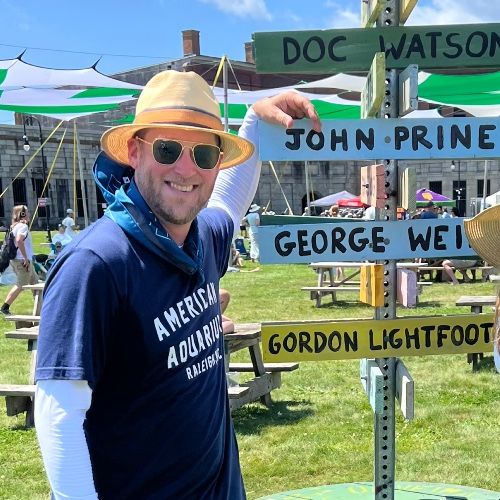
What Bruce Springsteen Teaches About Leadership, Community, and the E Street Band | Andy Freed
What can leaders learn from Bruce Springsteen?
A lot more than you might think.
In this special crossover episode from the Lead the Team podcast, Ben sits down with Andy Freed—CEO, author, and a devoted Springsteen fan who has attended nearly 100 Bruce Springsteen concerts.
Over the years, Andy noticed something remarkable: many of the leadership lessons taught in boardrooms are being demonstrated night after night on stage by Bruce and the E Street Band.
From how he acknowledges his band members to how he commands attention for three hours, Springsteen has built one of the most enduring cultures in music.
In this conversation, you'll hear:
- Why Bruce makes every band member feel like the most important person in the room
- The leadership lesson hidden in his end-of-show ritual
- How great communicators think about their audience first
- Why repetition is essential for leading change
- What leaders can learn from Bruce's setlists, storytelling, and stage presence
- How collective experiences create stronger teams and communities
- Why intentionality may be the most underrated leadership skill
Whether you're a lifelong Springsteen fan, a music lover, or someone trying to lead people more effectively, this conversation offers a fresh perspective on what it means to inspire others.
Transcript
Hey there.
Speaker A:This has been.
Speaker A:Before we jump in a quick note.
Speaker A:This is a crossover episode.
Speaker A:This conversation actually originally comes from my other show called Lead the Team, which is a top 2% globally ranked business podcast where I sit down with different CEOs and leaders to break down how they actually lead.
Speaker A:But this one felt way too perfect not to share here on Americana Curious.
Speaker A:And I'll explain why, because we're talking all about Bruce Springsteen, an Americana icon, and how what Bruce has done on stage for years night after night may actually be the best real world case study of leadership out there.
Speaker A:And my guest who you're going to hear from is Andy Freed, and He is a CEO of a company who's been to nearly 100 Bruce Springsteen shows.
Speaker B:And.
Speaker A:And then he was so inspired, he ended up writing a book about what leaders can learn from them.
Speaker A:So this episode sits right at the intersection of music, storytelling, and leadership.
Speaker A:If you're here for the music, you're going to love this episode.
Speaker A:And if you're curious about leadership, you're also going to get a lot out of it.
Speaker A:Let's get into it.
Speaker A:Bruce Springsteen is teaching leadership better than most CEOs.
Speaker A:What he does on stage explains exactly why your team isn't fully engaged.
Speaker B:One of the things that I noticed in his shows was the way he treats the band.
Speaker B:At the end of the show, Bruce retreats to the back of the stage and he stands there and he shakes the hand of every band member as they let's leave the stage.
Speaker A:Andy Freed is a CEO who's seen Bruce Springsteen nearly 100 times, and he's turned those performances into a blueprint for leadership, communication, and building teams that actually perform.
Speaker B:Nobody's surprised when he's at the back of the stage.
Speaker B:He knows he's going there.
Speaker B:The band knows he's going there.
Speaker B:I started to send notes to my chief of staff and the notes would always have a video of him doing that.
Speaker B:And my note would say, help me be this good.
Speaker A:In this episode, you'll discover how to make people feel like the most important person in the room in seconds.
Speaker A:Why most leaders lose attention while Bruce holds it for three plus hours.
Speaker A:And the simple, setless strategy to make your message actually land.
Speaker B:What he understands more than anything is how it's not about him, it's about his audience.
Speaker B:There's a reason they call this guy the Boss.
Speaker A:I'm Ben Fanning.
Speaker A:It's time to lead the team Raw, real road worn.
Speaker A:The artists we feature aren't chasing fame, they're chasing truth.
Speaker A:I'M Ben Fanning with my co host Zach Schultz, and this is Americana Curious, where we spotlight the unsung heroes of Americana music.
Speaker A:You'll get new songs, hard earned lessons, stories behind the music, and a big shot of inspiration.
Speaker A:Follow the show and rate us on Spotify and Apple and leave a review on Apple to help more people discover the power of Americana.
Speaker A:Let's get Americana Curious.
Speaker A:Andy Freed.
Speaker A:Welcome to lead the team, sir.
Speaker B:Great to be here.
Speaker B:Ben.
Speaker A:When did you realize that what Bruce Springsteen is doing on stage is actually a masterclass in leadership?
Speaker B:There's a couple of things I'll say.
Speaker B:It's kind of like some movies.
Speaker B:Remember how Pulp Fiction kind of started at the ending with Bruce?
Speaker B:I'll tell you, my answer to that question starts at the ending.
Speaker B:One of the things that I noticed in his shows as I was going a lot of the tours was the way he treats the band at the end of the show.
Speaker B:And come the end of the show, Bruce retreats to the back of the stage and he stands there and he shakes the hand of every band member as they let leave the stage.
Speaker B:And on the last tour, you played with 19 people, and some of them were people that he's played with for 50 years, like Gary W. Talent.
Speaker B:Some of them are people who he's just played with on this tour.
Speaker B:And every one of them got a handshake, something whispered in their ear, pat on the back, a hug, whatever it might be.
Speaker B:And then I saw those band members interviewed by George Stephanopoulos, and what they said was, for 10 seconds every night, Bruce Springsteen at the end of the stage makes me feel like the most important musician on the face of the earth?
Speaker B:And I thought, isn't that what we're supposed to be doing as leaders?
Speaker B:If we can make our people feel like the most important people on the face of the Earth in 10 seconds of time every night, that's what we're supposed to be doing.
Speaker B:That creates more leaders, that creates more productivity.
Speaker B:Everything called everything stems from that.
Speaker B:So I started with that and then started working, looking at more things and realizing that, wow, there's a reason they call this guy the Boss.
Speaker A:You spend your life waiting for a moment that just don't come.
Speaker A:Don't waste your time waiting.
Speaker A:Wow.
Speaker A:And most bands, y' all think about your own life experience.
Speaker A:It shows they don't do that, right?
Speaker A:They.
Speaker A:They might give him a quick shout out right before the last number.
Speaker A:But the fact that Bruce did this, does this every single night, and it probably, like you'd think it gets Old.
Speaker A:He's been playing with the E Street Band.
Speaker B:Yep.
Speaker A:Forever.
Speaker A:No, I know there's some new members, right?
Speaker A:But.
Speaker B:But.
Speaker B: e started playing with him in: Speaker B:And to me, that goes to something that I was really kind of struck to read.
Speaker B:William James once wrote, the deepest human need is the need to be appreciated.
Speaker B:I think about that then, like, a deeper need than sex, a deeper need than money, a deeper need than power.
Speaker B:Just appreciation, you know, so that he's just showing that appreciation is so vital, man.
Speaker A:You know, and hearing that.
Speaker A: my family, we saw him last in: Speaker A:Like a New Jersey.
Speaker B:Right outside of Jersey.
Speaker B:I was probably there.
Speaker A:Okay.
Speaker A:And he went on, you know, that.
Speaker A:I think that show might have it made.
Speaker A:It almost was three hours, I believe, and many things to.
Speaker A:To break that down.
Speaker A:But I specifically remember the end of that show and this thing about acknowledging the ban at the end.
Speaker A:Like, he gave them all different, like, little handshakes.
Speaker A:Right.
Speaker A:It was just.
Speaker A:It went on for a while, like, it.
Speaker A:And it's.
Speaker A:You know, he's stopping the show.
Speaker A:He's acknowledging each person.
Speaker A:And I'm thinking back to that now.
Speaker A:The crowd was going nuts for each and every person.
Speaker A:It wasn't.
Speaker A:And he took, like, a good 30, 40 seconds.
Speaker A:Minute.
Speaker A:But we did not hear exactly what he was saying to each band member.
Speaker A:Like, he would say them, and then he would, like, do some kind of handshake and then say, whisper something to them.
Speaker A:Yep.
Speaker B:And I think that's important is, like, you understand also, like, you know, what's public, what's private, what are the things that are the connection points of these folks.
Speaker B:And, you know, and just when you watch it, you know that, like, yeah, yeah, Jake Clemens gets a hug, somebody else gets a high five.
Speaker B:You know, it's understanding what matters to that person.
Speaker A:Oh, man.
Speaker A:So many things to.
Speaker A:To break down there.
Speaker A:Do you remember the show when you was at the George Stephanopoulos interview that clued you into that?
Speaker B:No, I will say what.
Speaker B:Or did you see when I started to watch him do that, I started to send notes to my chief of staff, and the notes would always have a video of him doing that.
Speaker B:And my note would say, help me be this good.
Speaker B:Because I looked at that and said, this is who I want to be.
Speaker B:You know, somebody who, you know, this is such an important role for me as CEO and chair of my company, to make my team feel appreciated, make My team understand kind of what they mean to me, you know, so how can I do more of that?
Speaker A:What was the response?
Speaker A:Do you remember the first time you sent it to your chief of staff?
Speaker A:Were they like, Andy has finally gone nuts?
Speaker A:Or like, oh, this is.
Speaker A:This is totally the kind of thing.
Speaker B:That I'll say to her credit, she was kind of taken with it as well.
Speaker B:It's really something to see.
Speaker B:And.
Speaker B:And her answer was, I think you do some of that, but, yeah, we can do more.
Speaker A:And so how did it show up initially when you were trying to bring this in to your.
Speaker A:To your staff meeting?
Speaker B:A lot of it comes with intentionality, and the idea of making this very intentional.
Speaker B:Like, you know, every one thing I've Learned from watching 95 Bruce shows is nothing happens by accident.
Speaker B:It.
Speaker B:And nobody's surprised when he's at the back of the stage.
Speaker B:You know, he knows he's going there.
Speaker B:The band knows he's going there.
Speaker B:So intentionality is a big piece of it.
Speaker B:So looking for those moments, how do I build them structurally into my week?
Speaker B:How do I think about that?
Speaker B:You know, this is something that I should have a metric for myself as a leader of.
Speaker B:Who have I thanked today?
Speaker B:And, you know, who have I shown appreciation to?
Speaker B:And if that answer is nobody, you know, I should go back and do my work.
Speaker A:Oh, man.
Speaker A:Was there a moment when you're like, yeah, I finally, like.
Speaker A:I think I like that acknowledgement I did.
Speaker A:I finally brought the Bruce to work like, you did it, and it worked.
Speaker B:There are certainly moments that I've had where I've watched people light up in a way that is so worthwhile to them and so worthwhile to me.
Speaker B:But I'll also say part of it is recognizing just as Bruce keeps this up every night, you're never done.
Speaker B:And that you can never say, like, hey, I've checked the box.
Speaker B:That person now knows they're appreciated.
Speaker B:Something that happened tomorrow, that changes it.
Speaker B:But I love, like, you know, I share a board at a hospital, and I love to go there every now and again with a chief nurse and just do rounds and talk to people.
Speaker B:And, you know, one of the people I love talking to is our receptionist.
Speaker B:And I always remind our receptionist that her job is actually one of the most important jobs in the hospital.
Speaker B:She's the first face everybody sees.
Speaker B:And, you know, she's our director.
Speaker B:She's not a receptionist.
Speaker B:I always call her our chief of first impressions.
Speaker B:And if she gives the right first impression, then everything falls into place upstairs.
Speaker B:If she gives the impression of somebody when they come in, to come in that, you know, maybe I should have kept driving to another place.
Speaker B:We're gonna have a really tough time overcoming it.
Speaker A:Wow, that is so good.
Speaker A:We eat with our eyes first, so to speak.
Speaker A:Like, before the dinner, like, you're sitting, seeing your.
Speaker A:Your experience.
Speaker B:Absolutely.
Speaker A:The first bite in your mouth applies to Bruce Springsteen show when he pops on the big screen, when he, you know, every bit of the way.
Speaker B:Absolutely.
Speaker A:People.
Speaker A:People might be thinking about this.
Speaker A:Hey, you know, hey, I'm a CEO or I feel as busy as a CEO, and I have enough time to write a book about my favorite rock star singer.
Speaker A:Like, why does a CEO take your time to write a book?
Speaker B:Because the job of leaders is to create more leaders.
Speaker B:And, you know, that's what you do with this podcast.
Speaker B:That's what I'm trying to do with this book is.
Speaker B:Yeah, that is fundamentally what my mission is, is to create more leaders in and outside of my company.
Speaker B:You know, so if this book enables me to do that, then that's helping me be a better leader.
Speaker B:That's helping me give something back to the world.
Speaker B:And that's, you know, help.
Speaker B:Help helping advance the craft of leadership.
Speaker A:What's the.
Speaker A:I want to keep rolling here with.
Speaker A:With the book, but since it's come out, what's been a surprising bit of feedback or impact that you've noticed so far?
Speaker B:I mean, I. I've been surprised at how much the Springsteen rubric resonates with people who are even fans because they're able to follow the storyline of what he's doing and visualize it.
Speaker B:I think that's some of the problem that we have at times when we talk about leadership and communication is we talk in terms and talk in ways that are too abstract for people.
Speaker B:So this has really provided a common frame of reference that, because the book follows the arc of a concert, provides a common frame of reference that people can refer to.
Speaker A:Oh, so good.
Speaker A:All right, so let's talk about this.
Speaker A:I mentioned earlier, we saw him for three hours and y', all, my daughter three years ago was 13 years old, and she listens to.
Speaker A:She listens to Bruce, but she listens to a lot of other music that is not at all like Bruce.
Speaker A:Younger people, pop music.
Speaker A:And yet Bruce was able to hold her attention.
Speaker A:Okay.
Speaker A:And quickly.
Speaker A:If you haven't been to a Bruce Springsteen concert and you walk in and you don't know any of the music, I don't think you'll have a.
Speaker A:He'll have a problem holding your attention.
Speaker A:Meanwhile, CEOs were probably scratching their head saying, man, I can't even hold people's attention for a town hall for three minutes.
Speaker A:What does Bruce understand about communication and connection that executives just don't get right now?
Speaker B:I think what he understands more than anything is how it's not about him, it's about his audience.
Speaker B:And he thinks before the show even begins of what does he want his audience to be thinking, feeling, and doing during the show.
Speaker B:He sits and thinks about how he wants them to respond.
Speaker B:He's looking for their response, you know, constantly.
Speaker B:His eyes are outward looking at how is the audience responding?
Speaker B:Are they with this or not with this?
Speaker B:But it's also that he's built a structure that's very conscious.
Speaker B:So, for example, you know, Bruce suffers from anxiety and depression.
Speaker B:So one of his methods of coping with that is to start every show big.
Speaker B:Because he has said that there's nothing more terrifying than being on stage if you don't know what you're doing.
Speaker B:So start the show big and as he says, try to give everybody their money's worth in the first five minutes of the show.
Speaker B:Once you've done that, then you can just relax.
Speaker B:Now, a lot of CEOs, when they're going to present one, they don't think about their audience.
Speaker B:They think about, here's what I want to say, not what their audience needs to hear.
Speaker B:They don't think about how their audience is going to respond to anything.
Speaker B:So they start out maybe too tactical, losing somebody.
Speaker B:I mean, then it just cascades from there.
Speaker B:And, you know, they've never really put that thought in.
Speaker A:Well, the night's busted open these two lanes will take us anywhere we got one last chance to make it real to trading these wings on some wheels Climbing back alone.
Speaker A:Oh, that's so good.
Speaker B:Every.
Speaker A:There's no doubt most leaders in General, not just CEOs, everybody's like, what's the message?
Speaker A:I want to get across versus, hey, what do they need to hear right now?
Speaker A:And that can shift everything.
Speaker A:And I love this idea of, once you've got that locked in, how do I go big and deliver in the first few minutes?
Speaker A:Because if you really do believe, okay, maybe I am going to just hold their attention for three minutes.
Speaker A:Well, if you are, just accept that reality and make sure you can get it all across and make the impact within that small amount of time.
Speaker A:And then all the times, I think if you can get there, give them what they need to hear, then you're going to get the permission to go longer.
Speaker A:To engage more.
Speaker A:And I've only, you know, I'm embarrassed to say I've only seen Bruce twice compared to your 95 times.
Speaker B:But I'll tell you, you know, what you're describing doesn't happen by taking last month's staff meeting presentation, changing the title of the PowerPoint slides and putting three new slides in.
Speaker A:People are sweating.
Speaker B:That's not how you get there.
Speaker B:People are sweating.
Speaker B:That's how so many folks are approaching communication with their company is the first thing they do.
Speaker B:I have to present While I'm opening PowerPoint, I start spitting out some slides.
Speaker B:This'll be great.
Speaker B:You know, that's the equivalent of Bruce just hopping onto the stage with a couple of guitarists and just starting to play and hoping for the best.
Speaker B:You know, that's not where we want to be.
Speaker A:Oh man.
Speaker A:So good.
Speaker A:So you make a bold claim in the book that leadership is a performance.
Speaker A:And I think this could strike people in a lot of different ways.
Speaker A:Some light bulbs, some might recoil and say, well, if I'm performing, that's not really me, or that's not authentic.
Speaker A:What?
Speaker A:Why do you think great leaders actually have to perform?
Speaker B:I think they recognize that they're performing and not that they're performing.
Speaker B:They're performing at every moment of the of the day.
Speaker B:So let's go back to Bruce.
Speaker B:You know, you mentioned it earlier that it doesn't start when he comes on stage.
Speaker B:People look at how he even walks up to the microphone.
Speaker B:You know, you know, your daughter's sitting there saying, dad dragged me to this show of some 75 year old guy who's going to sing.
Speaker B:If he walks up to the microphone with a length and barely gets there, then that's going to give you one view of how it's going to go.
Speaker B:If he comes bounding up to the microphone before he's even said anything, if he looks confident, if he looks like he's in command, before he said anything, he said a lot.
Speaker B:And there's so many moments of that with leadership.
Speaker B:If I'm sitting in a staff meeting and somebody else is presenting and I start looking at my watch, I'm performing, right then, you know, I am saying something and communicating something to my team, whether I know it or not.
Speaker B:Because eyes are on me as the leader and not just when it's my turn to speak, they're on me to see how am I reacting and what are people thinking.
Speaker B:So all of that becomes something which I think is a big part of the performance element of leadership.
Speaker A:So you as a leader Translate this into your work to analytics shows.
Speaker A:How do you walk the line between.
Speaker A:Okay, like I'm.
Speaker A:And by the way, I. I totally buy into this idea of your leaders are modeling the behavior always.
Speaker A:And if that's on autopilot and you're not paying attention to what you're modeling, you're going to be sending all kinds of messages.
Speaker A:So it's.
Speaker A:I can see the performance side.
Speaker A:What do you say?
Speaker A:Will people, you know, leaders that are exhausted and they're like, well, that's not authentic for me to be performing.
Speaker A:And how does that.
Speaker A:I'm thinking about you specifically.
Speaker A:Like, there's like Andy and there's like the Bruce Springsteen performing Andy.
Speaker A:How does that.
Speaker A:How does it.
Speaker A:How does the dichotomy show up for you as a leader?
Speaker B:Well, authenticity is also kind of, you know, comes with some self awareness.
Speaker B:And as with anybody, you know, there are times if I go to the office and I feel like I'm not in the position to put that, you know, to put that performance out there, I need to make sure that I'm carefully managing my time and perhaps removing myself from some of those situations.
Speaker B:Like, if I can't give my best, you know, maybe it's time for me not to sit at that staff meeting because I'm going to do more damage.
Speaker B:That's something I've recognized.
Speaker B:And, you know, you're absolutely right.
Speaker B:With exhaustion and being tired, you know, if I'm coming in on a red eye from Tokyo and then going right into the office, that might not be the best time for me to do a team meeting.
Speaker B:That might be a time for me to schedule something where I'm more by myself, recharging my battery and not imperiling the team dynamic.
Speaker A: , what we noticed was at that: Speaker A:Yeah.
Speaker B:Peptic ulcer.
Speaker B:Yep.
Speaker A:Had an ulcer.
Speaker A:So it ties into what you're talking about there, because he doesn't.
Speaker A:I don't think he's not known for canceling.
Speaker B:No, he obviously was not, but he's known for.
Speaker B:If.
Speaker B:If I can't bring my best, I'm not going to bring it.
Speaker B:And that was kind of what he looked at was, you know, if I can't deliver what these people's expectations are and I can't deliver what my own expectations are, I'm better off not being on stage and limiting what I do.
Speaker B:And he still did things during that Time he still showed up at some charity events and still, you know, played a few things, but it was much more limited, much more in keeping with his energy level was.
Speaker A:And this.
Speaker A:So we're, we're driving.
Speaker A:I drove my daughter to school this morning before our interview, Andy.
Speaker A:And I'm like, yeah, what, what do you want to know?
Speaker A:Because I asked her, I'm like, I'm going with this.
Speaker A:I'm talking to a CEO expert on Bruce this morning.
Speaker A:What do you want to know?
Speaker A:Well, there was this moment at the concert that we still talk about.
Speaker A:So Bruce is probably like two and a half hours into his show and he's on this life size screen.
Speaker A:And since you were there, you remember those, those.
Speaker A:He has this big screen, I guess a lot of the show, but it's a huge screen.
Speaker A:He's up there full moment.
Speaker A:He, he takes a sponge full of water and just like drips it on his head.
Speaker A:And then Bruce Springsteen at 75 rips his shirt off.
Speaker A:Yes, y', all.
Speaker A:He rips his shirt off and he's got a six pack.
Speaker A:And the entire audience gasp.
Speaker A:They're like, dear God, like this thing.
Speaker A:And then we listened to an interview with him later and he said things like, he only eats one meal a day.
Speaker A:You know, there he is.
Speaker A:These interesting health regimens, what as you've got.
Speaker A:And I know your, your focus is more on his performing on the stage, but you know a lot about his personal life.
Speaker A:How does he live his personal life in ways to keep him in like CEO style shape to be able to perform?
Speaker A:He already mentioned a little bit of it.
Speaker A:It's like, hey, if you're not feeling good, you can't bring your best.
Speaker A:You might need to reschedule this big meeting.
Speaker A:But what, what do you know about him that maybe we don't know and that leaders can benefit in terms of how he just like keeps himself in a healthy state of mind and set.
Speaker B:I think there are a few things.
Speaker B:I mean, one, he's one of the kind of handful of artists of his era of the 60, you're coming, come of age of the 60s and 70s that never got into the drug scene.
Speaker B:He's never done, you know, he's really never done drugs.
Speaker B:You know, he drinks and he has, you know, has, you know, if I've watched him do shots on stage when, you know, somebody hands him one from the audience or drink a beer from somebody in the audience, but does that in moderation, doesn't, doesn't do drugs.
Speaker B:He's also, you know, if you look at his recent biopic, which talks actually pretty extensively about the time that he was writing the Nebraska album, suffering from depression.
Speaker B:He's had that treated and, you know, he hasn't been afraid to get help.
Speaker B:And, you know, there's a lot of tragedy out there in mental health.
Speaker B:The folks who suffer in silence and don't go to get the help.
Speaker B:And, you know, there is a mode.
Speaker B:There's a line that I remember in his autobiography when he's writing about the depression, and he says, sometimes when it gets dark, my wife brings me to the doctor and says, get this man some medicine.
Speaker B:And understanding that having a supporting partner that understands that and understanding that mental health is just as important as part of your journey as your physical health, I think that's what has enabled him to kind of stay this way for so many years.
Speaker A:Oh, man, so good.
Speaker A:He's built that support network.
Speaker A:I mean, that's really great.
Speaker A:And I. I had heard that about the Nebraska album, but what.
Speaker A:The way you're talking about it and that's.
Speaker A:It was so revolutionary at the time, the way he was thinking about this stuff.
Speaker A:Today there's more conversation about it, although probably not at the upper echelons of organizations like it should be.
Speaker B:No, by no means.
Speaker B:And there's still stabilization of mental health and behavioral health issues that so many people suffer, which is what I thought made that movie.
Speaker B:While I didn't love it as much as I would have liked, I thought that made that movie very important because if somebody watches that and says, wow, Bruce is suffering, you know, and got help, so too can I.
Speaker B:Man, that's worth.
Speaker B:That's well worth it.
Speaker A:You talk about the setless strategy in your book, which I think has a very practical, an impactful thing that people.
Speaker A:Leaders can really pay attention to.
Speaker A:You argue that leaders should really build their own leadership set list.
Speaker A:How have you built your own leadership set list.
Speaker B:With intention?
Speaker B:I think that the Keeper building leadership set list is the idea that what you're doing as a leader doesn't start with your on stage, doesn't start with opening PowerPoint.
Speaker B:It starts with understanding the intention of, you know, what do you want the people around you to think, feel and do?
Speaker B:And you know, that that triad of think, feel and do I talk about extensively in the book, you know, because it's so important to start out with, okay, if I'm communicating with somebody, what's on the level, what's the thing I need them to think, but if I'm not also addressing feel, they might not be able to get there.
Speaker B:If I haven't given them a sense of safety, if I haven't thought about what I'm doing and what.
Speaker B:What it's going to apply to them there, that's important.
Speaker B:And then do is important because we need to be very explicit with that step.
Speaker B:If people are left at the end and they've heard you but don't know what to do next, then you haven't led them anywhere.
Speaker B:So that intentionality that goes into the set list, so it's not just having the set list, but having a set list that really covers that think, feel, and do is really what I focused on as a leader.
Speaker A:Yeah, and I loved how you started that out again with a word, intention.
Speaker A:And a lot of leaders in their organization might be tempted to improvise a lot.
Speaker A:And I think you.
Speaker A:You have to improvise as a leader.
Speaker A:But taking the time for five minutes to make out your set list for your own personal message is so important.
Speaker A:And making sure that you're working in the core messages that you're going to communicate time and time again.
Speaker A:Now, there's a.
Speaker A:There's a bit of tension.
Speaker A:We love live music in our household, my friends and I.
Speaker A:We love to go to shows.
Speaker A:And there's always this huge tension between playing the hits and new material.
Speaker A:Most people do not want to hear the new song, and I think artists know that, but absolutely, artists are going to get bored doing the same thing.
Speaker B:Over and over and over.
Speaker A:How.
Speaker A:What.
Speaker A:What is the kernel of, I guess, wisdom that you found in terms of change management and Bruce Springsteen?
Speaker A:So playing the hits versus the new stuff?
Speaker B:Well, let's talk about both of those, like how you play the hits and how you play the new stuff.
Speaker B:First, for playing the new stuff, you know, there's an element of that where if Bruce on this next tour played nothing but his new songs, fans would leave disappointed.
Speaker B:And he knows that.
Speaker B:Fans know that.
Speaker B:Everyone knows that.
Speaker B:So he wraps those new songs within a set list of his old classics.
Speaker B:You know, so you might hear a few new things, but you'll hear some old stuff, too.
Speaker B:That's, you know, and what that old stuff does is it gives you comfort.
Speaker B:It makes you realize that this is the Bruce you know, this is the song I can sing along to, you know, you know, this is comfort.
Speaker B:What does Simon Sinek tell us and in his TED Talk, that great leaders make people feel safe, you know, so part of what you're doing with change is providing enough of familiarity to make people feel safe.
Speaker B:So you're wrapping that change in something that is a framework that they can feel familiar with.
Speaker B:And you're showing them, whether it's showing them that, you know, this change comes from some forethought and you know, and you know this forethought, and it relates to things we've done before.
Speaker B:Here's how this change relates to where we've been.
Speaker B:But you're making them feel.
Speaker B:Feel safe on the flip side on playing the hits.
Speaker B: today, has played born to run: Speaker A: Wait,: Speaker B:That's how long.
Speaker B:That's how many times he's played the song Born to Run in the Live.
Speaker A:54, Which is his biggest.
Speaker A:That's as big, probably his biggest outside of maybe Born in the usa, but.
Speaker B:The biggest song out the longest came out in 75 versus born in the U.S. born in the USA came out in 84.
Speaker B:But he plays that song every time and plays it, as he says, for two audiences.
Speaker B:He knows that there's people out there that have never seen him before, like your daughter, and they're wondering what all the fuss is about, so we had better bring us all.
Speaker B:And then there's also people out there like me that have seen him 94 times who are now saying, I wonder how the 95th time weighs up to it as we lost a step.
Speaker B:And he plays well for me now.
Speaker B:For so many leaders when they have a message they have to repeat, they get sick of it and they'll decide, well, you know, how many times do I have to tell my team that business development is important?
Speaker B:Maybe I'll change up the message this time.
Speaker B:And they're forgetting that, first of all, somebody has to hear something seven times before they even recall it at all.
Speaker B:So if I change that message up after five times, it's like my stopping taking my pills before the prescription is run out.
Speaker B:You know, I'm not going to get healthy from it.
Speaker B:But it's recognizing that, you know, sometimes repetition is part of your job when it comes to the hits.
Speaker B:Yeah.
Speaker B:You know that people need to keep hearing them because it makes them safe and it makes the message get through, man.
Speaker A:I think that there is a real deep message for a leader to think about there, especially when it comes to organizational change and AI.
Speaker A:And if you don't wrap your change initiative in the familiarity of where you've been and what they've heard you saying before, they're going to freak out.
Speaker A:I don't think people dislike change, but they do dislike not feeling any familiarity or any comfort with it?
Speaker B:No, absolutely.
Speaker B:And you raise a great example with AI.
Speaker B:If my message to my company on AI is AI is going to fundamentally change this company, fundamentally change all of your jobs, and if you don't get on board, you're going to find that you're going to be left behind.
Speaker B:Now, there might be truth to that message, but if I deliver that message in that manner, people are running screaming from the conference room, or worse, they're running quietly from the conference room and then screaming when I can't see them.
Speaker B:But if I make my message of.
Speaker B:Many of you are old enough to remember when the Internet became a thing, and it wasn't about the Internet taking your job, it was about learning how to use it and learning how to use it to make your job better.
Speaker B:And today, none of us can imagine doing our jobs without the Internet.
Speaker B:AI is going to be the same thing.
Speaker B:It's going to create the same level of challenge where it's not going to be about losing your job because of AI.
Speaker B:It's going to be about, like, you'll lose your job if you don't know how to use AI and how to leverage it to kind of make your job easier and make the jobs around you easier.
Speaker B:But that's something that's well within our grasp because we've done it before.
Speaker B:Those are two very different messages in terms of safety for the audience.
Speaker A:I'm seeing a.
Speaker A:After leaders hear this interview, they're going to be taking team retreats to Bruce Springsteen concerts.
Speaker B:There are worse ways to spend your time.
Speaker A:Have you taken your team yet to a Bruce?
Speaker B:I've taken so many different people to Bruce concerts over the years.
Speaker B:It's one of my great pleasures is how many different people I've seen those shows with over those 95 shows break down for us.
Speaker A:Maybe one of the more memorable ones that you took some people to and.
Speaker A:And what happened?
Speaker B:I mean, I will just say the most memorable show of Bruce's that I saw was Bruce at Asbury park two years ago when he played on the Boardwalk at Asbury park.
Speaker B:And the audience was all on the beach.
Speaker A:But it was very clear, right?
Speaker B:That's where it all started.
Speaker B:And he was telling stories about writing these songs and buildings that we could see from the beach.
Speaker B:And it was a special kind of connection that he felt with the audience that night and a special kind of connection of that the audience felt with him that night.
Speaker B:You know, that made for, you know, made for a very memorable show.
Speaker A:Did you go by yourself or did you Take people.
Speaker B:I went to that with the, I went to that with my good friend Dan Daugherty, who was the president of Christo Ray Schools in Manhattan, a urban high school in Harlem that has a 98% rate of kids that go to a four year school.
Speaker B:You know, unbelievable record that, you know, that, that, that Dan has.
Speaker B:Dan's a big fan.
Speaker B:And we were in general admission seats.
Speaker B:And I'll say Dan had the speed to get to the general admission seats faster than I did to reserve a good spot.
Speaker B:And we stood in the sun for eight hours.
Speaker B:But it was well worth it.
Speaker B:And I know in working with Dan, he is somebody that leads like the boss.
Speaker B:He brings a lot of these lessons to forth every day at his school.
Speaker A:Man, that is so cool.
Speaker A:Which leads me to a term collective effervescence.
Speaker A:Collective effervescence, which is what the.
Speaker A:It's the moment where people in the crowd feel connected to something bigger.
Speaker A: And I definitely felt that in: Speaker A:How do leaders translate that inside an organization?
Speaker A:Because there just aren't many places.
Speaker A:Maybe like in a church style service, people fill that, you know, sometimes, but it's, it's hard, man.
Speaker A:There's such a magic when that happens.
Speaker B:It is a magical moment.
Speaker B:And I, you know, I've been to Bruce shows and that Asbury park show is a great example.
Speaker B:When a hundred thousand people are singing along to a lyric, you feel like you're part of something bigger.
Speaker B:And I can't imagine how rewarding it is for Bruce to hear his words come back from 100,000 people.
Speaker B:But there are ways that leaders can do that and ways that we defeat doing that.
Speaker B:One of the ways to do that is repetition.
Speaker B:Staying with the same messages, making sure that it's hard for people to sing something back to you if they don't know what's coming.
Speaker B:So making sure that at times you have a core set of messages that you're repeating.
Speaker B:With my company, I have two or three core messages that are central to everything I do in leadership every day.
Speaker B:You know, one of them is be positive.
Speaker B:Another is expand the time horizon.
Speaker B:A third is explain the why I take things back to that all the time.
Speaker B:You know, that means that my opportunity for collective effervescence and getting people together is what I'm talking about.
Speaker B:Those messages, people feel like they're part of something larger.
Speaker B:And drawing those lines for people is so important because when people feel like there's something part of something larger, they can just accomplish so much more.
Speaker A:When people go to a Bruce concert.
Speaker A:What do you.
Speaker A:Where.
Speaker A:Which songs have you seen the biggest collective effervescent moments that seem to generate.
Speaker B:That I'm going to go back also to.
Speaker B:I could tell you all the songs because it's intentional from Bruce in the set list.
Speaker B:So when Bruce is drawing up his set list, he understands that, okay, this is a song that I'm going to do, has a complicated lyric.
Speaker B:It's relatively new.
Speaker B:I'm going to perform this song.
Speaker B: at he's been doing live since: Speaker B:It has a catchy chorus and hook, and that's what I'm going to be.
Speaker B:I'm going to try to get the crowd involved.
Speaker B:Maybe I'll turn the microphone to the crowd.
Speaker B:Maybe I'll make sure the band all knows to point to the crowd to get them singing along.
Speaker B:But those moments don't happen by accident during the show, and they shouldn't happen by accident during leadership.
Speaker B:I should know what's the moment when I'm going to try to get people engaged in a different way?
Speaker A:Yeah.
Speaker B:What is the moment when I'm going to point that microphone outward and see what happens?
Speaker B:You know, that's where those moments come from.
Speaker B:And they come from, you know, a very intentional thought of how I can make it happen, man.
Speaker A:There's kind of.
Speaker A:Yeah, there's like a big chorus that we're building to.
Speaker B:Absolutely.
Speaker B:And Bruce knows that when you look at that set list, maybe it starts out big, then it goes for a couple of new songs because people have gotten their money's worth so we can squeeze in a new song.
Speaker B:Then maybe it's quiet and he tells a story, but now he's got to bring the crowd back into it after the story.
Speaker B:So he's going to play something that has a catchy hook that they're singing along to.
Speaker B:All of that is done with a lot of intention.
Speaker B:And again, very different than.
Speaker B:Well, I've got seven PowerPoint slides last month.
Speaker B:Now I'm going to change.
Speaker B:Change them from April to May and call it good.
Speaker B:It's not good enough.
Speaker A:Oh, it happens so often.
Speaker A:The.
Speaker A:You know.
Speaker A:But people go.
Speaker A:There are very few bands that stay together more than a few years.
Speaker A:I believe I. I'll.
Speaker A:I have another show called Americana Curious, where we interview a lot of Americana artists, and we're doing some research on this, and I believe the average length a band stays together is like three years or something.
Speaker A:Along those lines, it is hard to say together.
Speaker A:Bruce, of course, the E Street Band in some form or another has been around since the beginning.
Speaker A:You mentioned the public acknowledgment that he does earlier.
Speaker A:But there's got to be a lot more there than that to keep a band together that long.
Speaker A:What is he doing?
Speaker A:And what can leaders learn about employee retention from Bruce Springsteen?
Speaker B:But one thing that's clear is the name of the band.
Speaker B:The name of the band is Bruce Springsteen and the E Street Band.
Speaker B:It's not just the E Street Band.
Speaker B:You know, Bruce recognized early on that there was a need for somebody to be the Boss and somebody to be the leader and to have, as he said, kind of a gentle, controlling hand.
Speaker B:And that means that setting some limits for people, making sure that, you know, they're.
Speaker B:You know, you watch bands that break up, you know, because somebody in the band has substance abuse issues.
Speaker B:Well, how do you stay involved as the Boss to keep that from happening?
Speaker B:How do you make sure that people aren't missing rehearsals?
Speaker B:How do people know that, you know, this is the standard that we have for this band?
Speaker B:All of those things happen when somebody has elevated themselves beyond the band to be the Boss.
Speaker B:And it's.
Speaker B:You know, I would contend that if the E Street Band had tried to exist as co equals for 50 years, it would have imploded because at some point somebody would have felt, I'm bigger than this.
Speaker B:And somebody would have felt, well, this isn't right.
Speaker B:How come so and so is getting all the solos and any number of things could have happened that would have taken it off the tracks.
Speaker B:But the notion that they had a boss and that somebody was above all, above all others is actually one of the things that's kept them together.
Speaker A:Wow.
Speaker A:And that's what happened to the Beatles.
Speaker B:In many ways, that is.
Speaker A:It should have been an external photo and the Beatles.
Speaker B:Yeah, that would have been quite a sound.
Speaker A:All right, so, you know, listeners may not all know, but you had a serious health battle while leading a company which in a lot of laser, I can say, how did that experience change how you perceive Bruce, how you perceive leadership and communication?
Speaker B:Yeah, it's been a actual very interesting leadership experience.
Speaker B:I was diagnosed with stage three pancreatic cancer back in October.
Speaker B:And for me, what that's done more than anything is actually just accentuated the intentionality of communications.
Speaker B:And let me tell you what I mean, for years, my secret sauce was my energy.
Speaker B:I was running around out there with a 25 gallon gas tank and I felt like I could go to a Bruce show, I could run a staff meeting, I could do anything, run to CPO run to a client meeting for the day in California and be fine.
Speaker B:Now what cancer has done is it's sapped that energy and all of a sudden now I have a 2 gallon gas tank and I've found myself with 2 gallons.
Speaker B:I have to be very intentional with where I'm going.
Speaker B:You know, with a two gallon gas tank, if you're going to the market, you're not looking around for a parking space.
Speaker B:You're going in the market and you're going there the shortest way you can get there.
Speaker B:So it has accentuated for me the importance of intentionality and communications that you just don't have time to waste and you need to make sure that you're focused on delivering that right message.
Speaker A:Yeah.
Speaker A:Well, thank you for using your energy today to bring it.
Speaker B:Absolutely.
Speaker A:Bringing the red hot energy to do that.
Speaker A:Thinking about the leadership encore aspect of Bruce, so he always finishes with an encore.
Speaker A:And you say leaders need their own version of that.
Speaker B:Yeah.
Speaker A:What does an encore moment look like in a leadership?
Speaker B:For me, I go back to that phrase of leaders creating more leaders.
Speaker B:And now it goes also to what we were just talking about with my health.
Speaker B:There's nothing which has been more gratifying to me than to watch people in my company step up in my absence and recognize that we made that happen, that the company's continuing to run and that things are going in a good direction because we've created more leaders.
Speaker B:And I love to see that spark in the eye of a 20 year old when I've reached them in some way and they recognize that they can lead too.
Speaker B:That's an encore.
Speaker B:So an encore is, you know, that you kind of borrow the term from Bruce.
Speaker B:You know, great rock and roll bands will never die.
Speaker B:You know, great leadership will never die because they'll keep living on.
Speaker B:And you know, and within me is imbued some of the leaders that I came up with and sort of my mentors from my 20s.
Speaker B:If I can keep that chain going, what an encore that is to have.
Speaker A:Yeah, I mean, I think about this a lot how like your legacy in life is not from your name on a building or a bridge.
Speaker A:It's through the people that you interact with.
Speaker A:And Bruce's legacy, you know, you're.
Speaker A:I love how you brought it all back to the people.
Speaker A:I get encore.
Speaker A:Yeah, yeah.
Speaker A:But it's, it's the people.
Speaker A:It's the mark you leave and that's how you think about that.
Speaker A:Man, that is so.
Speaker A:That is so, so powerful.
Speaker A:If Bruce walked into a boardroom tomorrow what leadership advice do you think he would give CEOs?
Speaker B:You know, I do think there's an element of being authentic, but I also think there's been about caring about the people and recognizing it's not all about you, and it's about, you know.
Speaker B:You know, on the.
Speaker B:I've had a couple of chances just to have small talk with Bruce at his book tours and things like that.
Speaker B:And at one of them, my wife was with me and she said, boy, you.
Speaker B:You make me very happy.
Speaker B:And you say, well, that's my job.
Speaker B:And it's recognizing that, you know, that your job is at times in service of others.
Speaker B:That's the nature of servant leadership, you know.
Speaker B:So I think his message would be, you know, remembering that, you know, you are here to serve and not just here to lead.
Speaker A:Yeah.
Speaker A:And I feel like through your book, you're embodying that.
Speaker B:That's.
Speaker B:That.
Speaker B:That's the goal.
Speaker A:That's the goal.
Speaker A:What.
Speaker A:So let's.
Speaker B:Let's.
Speaker A:Let's talk a little bit more about music here at the end.
Speaker A:What.
Speaker A:What are the brew.
Speaker A:So the.
Speaker A:Bruce got a.
Speaker A:A very deep catalog, of course, but what do you think the best songs for leadership are?
Speaker B:Best songs for leadership?
Speaker B:That's a great question.
Speaker B:I'll say.
Speaker B:I. I'll go with Thunder Road being one.
Speaker B:You know, Thunder Road has a couple of lyrics in it that I love.
Speaker B:And then because they apply to people in all different stages of life, it has one lyric at the.
Speaker B:Be in it of your graduation gown lies in rags at their feet.
Speaker B:When I came out of college, that was the lyric that resonated with me for Bruce, because I felt like my graduation gown is in rags at their feet.
Speaker B:I'm getting out of here and I'm going to do big things now.
Speaker B:Also in that song is another line that resonates with me today, which is, you're.
Speaker B:You're scared and you're thinking, maybe you're not that young anymore.
Speaker B:And it's the idea that, well, maybe at some point your own mortality starts to catch up with mortality.
Speaker B:Scared by that.
Speaker B:What's your legacy going to be?
Speaker B:So both of those are within the same song, which is interesting.
Speaker B:And then, of course, the song ends with, it's a town full of losers and I'm pulling out of here to win.
Speaker B:And it's the idea that I'm going to go out and I'm going to do something big.
Speaker B:I'm going to make my mark.
Speaker B:I think that's a.
Speaker B:You know, that to me, speaks to what leaders should be trying to do and, you know, kind of the emotions of how you feel as a leader at different ages of, you know, when you're 20, it's all hellos and everything's possible.
Speaker B:When you're 57, you know, there are more goodbyes in your life and you start to realize that maybe I have a finite amount of time, you know, to kind of do something right, but in either case, it's my job to make that happen.
Speaker A:Oh, man, that is.
Speaker A:That's a good one.
Speaker A:And then I.
Speaker A:When I was thinking of this question, one of the ones that popped up for me was the Rising.
Speaker A:And that song reminds me of 911 a lot.
Speaker A:But there's other parts to that, but, like, thinking about collective effervescence, thinking about community.
Speaker A:And you talked about, like, going with your friend, you know, to the Tazbury park, like, bringing people together.
Speaker B:And that song is meant to have.
Speaker B:It has a chorus that you can't help but sing along to.
Speaker B:It's meant to feel like a gospel song at times of, you know, where, you know, the audience comes in, you know, as the, you know, the Rising is all about a firefighter climbing the stairs of the World Trade center on 9 11.
Speaker B:But there's a moment when, you know, the chorus hits that's meant to feel like a gospel song.
Speaker B:And that is that tapping into that collective efforts, vessels of the audience that they're now part of the song.
Speaker A:All right, starting to land the plane here.
Speaker A:What bands do you believe are maybe, I guess, similar vibe or similar, I'll guess, peers to Bruce in terms of how they approach their music.
Speaker A:And also, are there any up and coming bands that you would say, hey, I see the Bruce, I see east street within these sort of rising artists?
Speaker B:Well, I mean, certainly the way that my daughter connects with Taylor Swift as a singer songwriter is impressive.
Speaker B:And, you know, she wraps her shows in a lot more theatrics and costume changes and dancers than Bruce does, you know.
Speaker B:But her lyrics certainly tell a story and her lyrics certainly speak for someone, you know, in a way that I think is, you know, is really meaningful, you know.
Speaker B:So I think that there are, you know, folks like her that are coming up, you know, that are.
Speaker B:That are out there.
Speaker B:I think there are still some bands that are out there that, you know, also are, you know, trying to do more than just play music, but have a social conscience, I think.
Speaker B:Like the Dropkick Murphy's, you know, local.
Speaker A:Band here in that one.
Speaker A:That's a Boston band, too, right?
Speaker B:That's a band That's a very Boston band, you know, but they're also going out and, you know, consciously playing the no Kings rallies, you know, and that just speaks to.
Speaker B:They see their role as being something more than just being musicians right now, you know, they see themselves as being, you know, kind of an important voice of a generation, you know, So I think that there's always folks that are willing to take on that mantle of being more than entertainers.
Speaker A:Man, that is good.
Speaker A:One of those that came up for me thinking about this question was Brandy Carlisle.
Speaker A:Sure.
Speaker A:And she's building.
Speaker A:Well, has built a very big community around her music, and she acknowledges her band a lot.
Speaker A:And even though it's Brandy Carlisle, she doesn't have, like, and the E Street Banner backing band.
Speaker A:She talks about the Hansarov twins that play with her, and she frequently says, hey, these guys are this good.
Speaker A:They could be fronting their own band, but they're choosing to be here for the magic that we make together.
Speaker A:And she's bringing in sister strings, she's bringing in all kinds of other people.
Speaker A:So the legacy continues, my friend.
Speaker A:What's your parting thought for the listeners, Andy, what's your parting thought?
Speaker B:I think it's a few things.
Speaker B:I think it's one, be intentional.
Speaker B:As a leader, you have an opportunity to communicate with folks.
Speaker B:That's a privilege.
Speaker B:So be intentional.
Speaker B:Use that to drive more leaders and grow, and the fulfillment that you get is going to be something that's going to drive you for many years to come.
Speaker A:Thanks for joining us, Andy.
Speaker A:It's been a fun one, sir.
Speaker B:Thanks for having me, Ben.
Speaker A:Thanks for joining Zach and I for this episode of Americana Curious.
Speaker A:Subscribe where you listen to your podcast so you are notified when a new episode is released.
Speaker A:I'm Ben Fanning, and it's been great sharing these artists and music with you.
Speaker A:Until next time, stay Americana Curious.